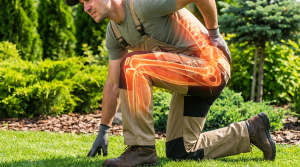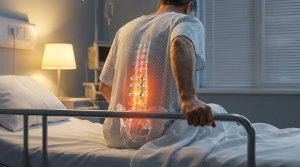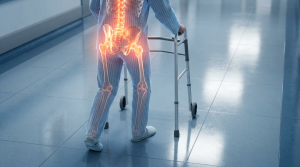
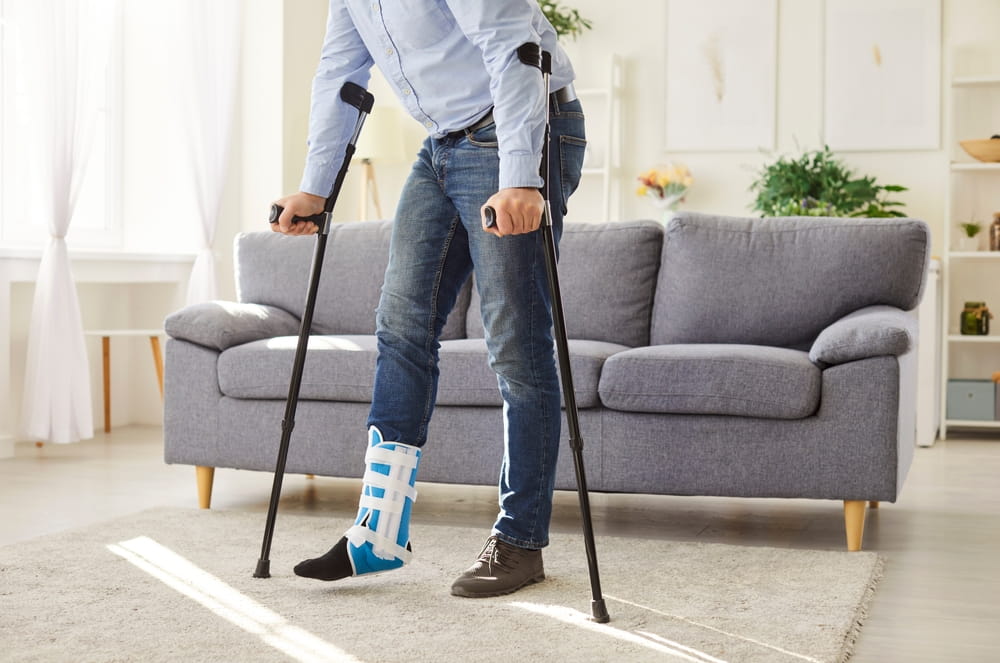
Premier Orthopaedics & Sports Medicine, P.C. supports patients across Bloomfield, NJ, Englewood, NJ, Union City, NJ, and Bergen County with education that helps them better understand recovery after orthopedic surgery. One of the most common concerns patients share is how to remain active while healing safely. Staying active after surgery is not only possible for many patients, but often essential for restoring strength, flexibility, and confidence during recovery.
Table of Contents
ToggleWhy Activity Matters After Orthopedic Surgery
Movement plays a critical role in recovery following orthopedic procedures involving the shoulder, knee, hip, or other joints. Gentle, guided activity helps improve circulation, which supports tissue healing and reduces the risk of stiffness or blood clots. Remaining active in appropriate ways can also help manage pain and prevent muscle weakness that may develop during periods of rest.
Equally important is the mental and emotional benefit of staying active. Patients who maintain a level of safe physical engagement often report improved mood and motivation throughout the recovery process. Understanding that activity is part of healing, rather than something to fear, can make the postoperative experience more positive and empowering.
Following a Structured Rehabilitation Plan
A successful recovery typically begins with a structured rehabilitation plan tailored to the specific surgery and individual needs. Physical therapy is often introduced soon after procedures involving joints such as the shoulder, knee, or hip. These programs focus on gradually restoring range of motion, strength, and stability while protecting the surgical site.
Rehabilitation plans are designed to progress in stages, ensuring that patients do not push too hard too soon. For those recovering from procedures related to Hand & Shoulder Surgery or Hip & Knee Surgery, consistency with prescribed exercises is essential. Skipping sessions or advancing exercises prematurely may delay recovery or increase the risk of reinjury.
Safe Ways to Stay Active During Recovery
Staying active after orthopedic surgery does not mean returning immediately to high-impact activities. Instead, it involves choosing movements that support healing while maintaining overall fitness. Low-impact activities are often recommended during early and mid-stages of recovery.
Some commonly recommended activities include:
- Walking on flat surfaces to promote circulation and mobility
- Gentle stretching exercises to reduce stiffness
- Stationary cycling for controlled lower-body movement
- Water-based exercises that reduce joint stress
These activities can often be modified based on the type of surgery and the stage of healing. For individuals recovering from sports-related injuries, guidance from Sports Medicine professionals can be especially helpful in planning a safe return to athletic activity.
Managing Pain While Remaining Active
Pain management is a key component of staying active after surgery. Discomfort is expected during recovery, but it should be manageable and gradually improve over time. Techniques such as ice, heat, and prescribed exercises are commonly used alongside movement to keep pain under control.
In some cases, Pain Management Treatments may support recovery by allowing patients to participate more comfortably in rehabilitation and daily activities. Learning to distinguish between normal postoperative soreness and pain that signals a problem is essential for long-term success.
Long-Term Activity and Joint Health
Recovery does not end when physical therapy concludes. Long-term activity habits play a major role in protecting joint health and preventing future injuries. Patients are often encouraged to continue strengthening exercises and maintain flexibility even after returning to normal routines.
Building sustainable movement habits helps preserve surgical outcomes and supports overall musculoskeletal health. Whether recovering from joint surgery or spinal procedures such as Neck & Back Spine Surgery, ongoing activity tailored to individual ability remains a cornerstone of long-term wellness.
Staying active after orthopedic surgery is a gradual, intentional process that balances movement with protection. For patients throughout Bergen County and nearby New Jersey communities, educational guidance like this helps clarify how safe activity supports healing and confidence. Premier Orthopaedics & Sports Medicine, P.C. remains committed to providing patients with resources that encourage informed, proactive recovery journeys.
Resources
Artz, N., Dixon, S., Wylde, V., Beswick, A., & Blom, A. (2015). Physiotherapy provision following discharge after total hip and knee replacement. Physiotherapy.
Hawker, G. A., Mian, S., Bednis, K., & Stanaitis, I. (2011). Osteoarthritis year 2010 in review: Non-pharmacologic therapy. Osteoarthritis and Cartilage.
Papalia, R., Zampogna, B., Torre, G., et al. (2018). Return to sport after hip and knee arthroplasty. Journal of Orthopaedic Surgery and Research.