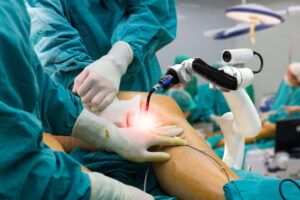

Premier Orthopaedics & Sports Medicine, P.C. frequently emphasizes the importance of injury prevention for athletes and active individuals throughout Bloomfield, Englewood, Union City, and Bergen County. Whether participating in competitive sports, recreational activities, or regular fitness routines, preventing injuries is essential for maintaining performance, mobility, and long-term musculoskeletal health. Sports injuries are often preventable when individuals understand proper training principles, body mechanics, and recovery strategies.
Understanding Why Sports Injuries Occur
Sports injuries often result from a combination of overuse, improper technique, inadequate conditioning, and insufficient recovery time. Repetitive stress on muscles, tendons, and joints can gradually lead to inflammation, microtears, and eventual breakdown of tissue. Acute injuries, such as sprains or fractures, may occur when the body is unprepared for sudden forces or changes in movement.
Another contributing factor is muscular imbalance, where certain muscle groups are stronger or tighter than others. These imbalances can alter biomechanics and place excessive strain on joints, increasing the likelihood of injury. Understanding these risk factors is the first step toward building an effective injury prevention strategy.
Proper Training and Conditioning
Building Strength, Flexibility, and Endurance
A well-rounded conditioning program is one of the most effective ways to prevent sports injuries. Strength training helps stabilize joints and absorb impact forces, while flexibility exercises improve range of motion and reduce muscle stiffness. Cardiovascular conditioning supports endurance and reduces fatigue, which is a common contributor to poor form and injury late in activity.
Gradual progression is critical. Increasing intensity, duration, or frequency too quickly places undue stress on tissues that have not yet adapted. Athletes benefit from structured training plans that allow the body to strengthen over time, minimizing the risk of overuse injuries common in running, weightlifting, and field sports.
The Importance of Warm-Up and Cool-Down Routines
A proper warm-up prepares muscles and joints for activity by increasing blood flow and improving tissue elasticity. Dynamic movements that mimic sport-specific actions help activate key muscle groups and improve coordination. Skipping this step can leave muscles stiff and more susceptible to strains or tears.
Cooling down after activity is equally important. Light movement followed by stretching helps regulate circulation, reduce muscle soreness, and maintain flexibility. Consistent warm-up and cool-down routines support recovery and allow athletes to train more safely over the long term.
Technique, Equipment, and Environment
Reducing External Risk Factors
Using proper technique is essential for injury prevention. Poor movement patterns, whether in lifting, running, or throwing, can place abnormal stress on joints and soft tissues. Learning correct form and periodically reassessing technique helps reduce unnecessary strain.
Appropriate equipment also plays a significant role. Supportive footwear, protective gear, and properly fitted equipment help absorb shock and stabilize vulnerable areas. Environmental awareness, such as playing surface conditions and weather, further reduces risk by allowing athletes to adjust intensity or modify activities when conditions are unsafe.
Recovery, Rest, and Injury Awareness
Rest and recovery are often overlooked but are vital components of injury prevention. Muscles and connective tissues need time to repair and adapt following physical activity. Inadequate rest can lead to chronic inflammation, fatigue, and decreased performance, all of which increase injury risk.
Early recognition of pain or discomfort is equally important. Persistent soreness, swelling, or reduced performance may signal the early stages of injury. Approaches informed by Pain Management Treatments focus on addressing symptoms early, helping individuals avoid progression to more serious conditions.
The Role of Sports Medicine in Injury Prevention
Education and prevention strategies rooted in Sports Medicine emphasize biomechanics, conditioning, and individualized risk assessment. Sports medicine principles help athletes understand how their bodies respond to stress and how to adjust training accordingly. Preventive screenings, movement assessments, and performance evaluations can identify vulnerabilities before injuries occur.
By prioritizing prevention, athletes and active individuals can remain engaged in the activities they enjoy while protecting long-term joint and muscle health. Premier Orthopaedics & Sports Medicine, P.C. supports informed, proactive approaches to physical activity, reinforcing that injury prevention is not about limiting performance, but sustaining it safely over time.
Resources
American College of Sports Medicine. (2022). Injury prevention strategies in sport and exercise. Medicine & Science in Sports & Exercise.
Bahr, R., & Krosshaug, T. (2005). Understanding injury mechanisms in sports. British Journal of Sports Medicine.
National Institute of Arthritis and Musculoskeletal and Skin Diseases. (2023). Sports injuries and prevention. NIAMS Publications.