Premier Orthopaedics & Sports Medicine, P.C. serves many patients across Bloomfield, Englewood, Union City, and Bergen County who struggle with persistent shoulder and hand pain that interferes with daily life. While many musculoskeletal conditions improve with rest, therapy, or medication, there are times when conservative care no longer provides meaningful relief and surgical intervention becomes an important consideration. Understanding when and why surgery may be recommended helps patients make informed, confident decisions about their health.
Table of Contents
ToggleUnderstanding Conservative Treatment Options
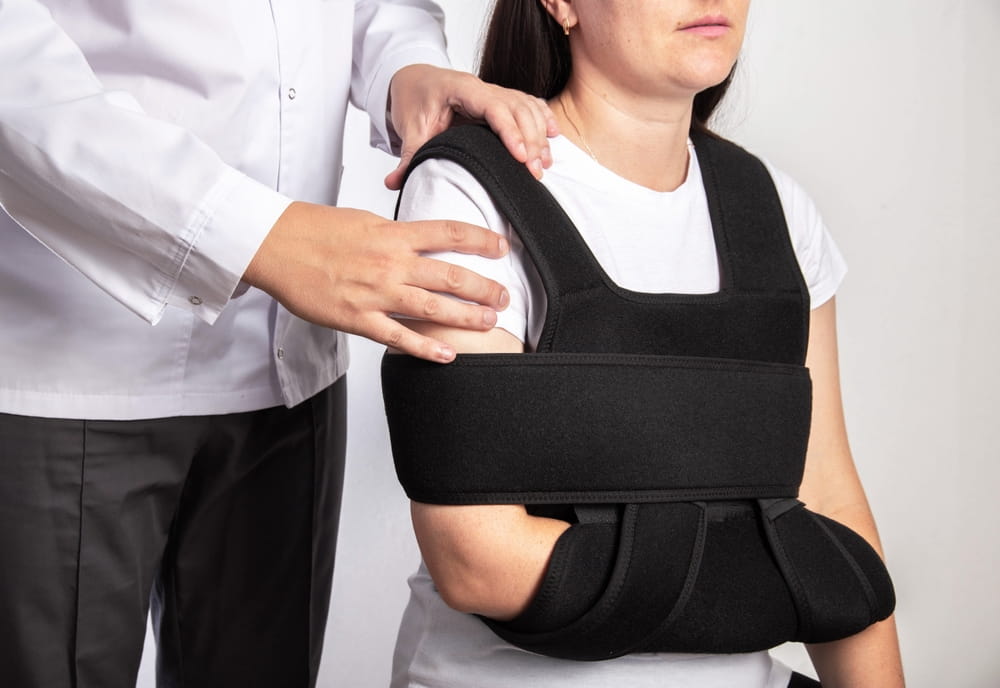
Conservative treatment is typically the first approach for shoulder and hand conditions. This may include activity modification, anti-inflammatory medications, corticosteroid injections, splinting, or structured physical therapy. These methods are designed to reduce inflammation, improve mobility, and strengthen surrounding muscles without invasive procedures. For many patients, these strategies are effective and allow a return to normal function over time.
However, conservative care has its limits. Chronic conditions such as severe arthritis, advanced tendon tears, or nerve compression may continue to worsen despite months of diligent non-surgical management. When pain becomes constant, range of motion decreases, or weakness affects daily tasks like lifting, writing, or gripping, further evaluation is often necessary to determine whether surgery may offer better long-term outcomes.
Common Shoulder and Hand Conditions Requiring Surgery
Structural Damage and Degeneration
Surgical treatment is often considered when imaging reveals structural damage that cannot heal on its own. In the shoulder, this may include full-thickness rotator cuff tears, advanced osteoarthritis, or recurrent instability. In the hand and wrist, conditions such as carpal tunnel syndrome with nerve damage, severe trigger finger, or complex fractures may require operative correction to restore function and prevent permanent impairment.
Degenerative conditions tend to progress gradually, making it difficult for patients to recognize when conservative care has reached its limit. Persistent symptoms lasting longer than three to six months, especially when paired with declining strength or coordination, are common indicators that surgical options should be discussed in detail.
When Surgery Becomes the Right Option
Signs That Conservative Care Is No Longer Effective
Surgery is not about choosing the most aggressive option, but rather the most appropriate one. Patients and clinicians often consider surgery when pain disrupts sleep, limits independence, or prevents participation in work and recreational activities. Loss of fine motor control in the hand or instability in the shoulder can significantly impact quality of life and may not be reversible without surgical intervention.
Key signs that surgery may be appropriate include:
- Ongoing pain despite consistent non-surgical treatment
- Progressive weakness or numbness
- Loss of joint stability or function
- Imaging evidence of severe tissue damage
What Shoulder and Hand Surgery Can Address
Modern surgical techniques focus on precision and tissue preservation whenever possible. Procedures related to Hand & Shoulder Surgery may involve repairing torn tendons, decompressing nerves, stabilizing joints, or replacing severely damaged joint surfaces. These interventions aim to relieve pain, restore anatomy, and improve long-term mobility.
In some cases, surgery is paired with other disciplines such as Pain Management Treatments to support recovery and improve comfort during rehabilitation. For active individuals or athletes, principles from Sports Medicine may also guide post-surgical rehabilitation and safe return to activity.
Recovery and Long-Term Outlook
Recovery from shoulder or hand surgery varies depending on the procedure and individual health factors. Rehabilitation often includes a structured therapy program to rebuild strength, flexibility, and coordination. While recovery requires patience, many patients experience significant improvement in pain levels and functional ability once healing is complete.
The decision to proceed with surgery should always be based on a clear understanding of the condition, treatment goals, and expected outcomes. For patients in northern New Jersey communities, access to accurate, educational information is a critical part of navigating this decision-making process. Premier Orthopaedics & Sports Medicine, P.C. emphasizes the importance of informed care and long-term joint health, helping patients understand when surgery is not a last resort, but a pathway to restored function and improved quality of life.
Resources
American Academy of Orthopaedic Surgeons. (2023). Rotator cuff tears. Journal of the American Academy of Orthopaedic Surgeons.
National Institute of Arthritis and Musculoskeletal and Skin Diseases. (2022). Hand and wrist problems. NIAMS Publications.
Mayo Clinic Staff. (2023). Carpal tunnel syndrome. Mayo Clinic Proceedings.