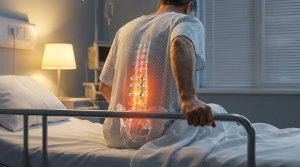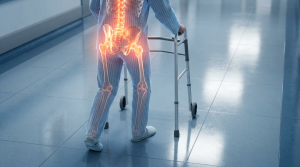
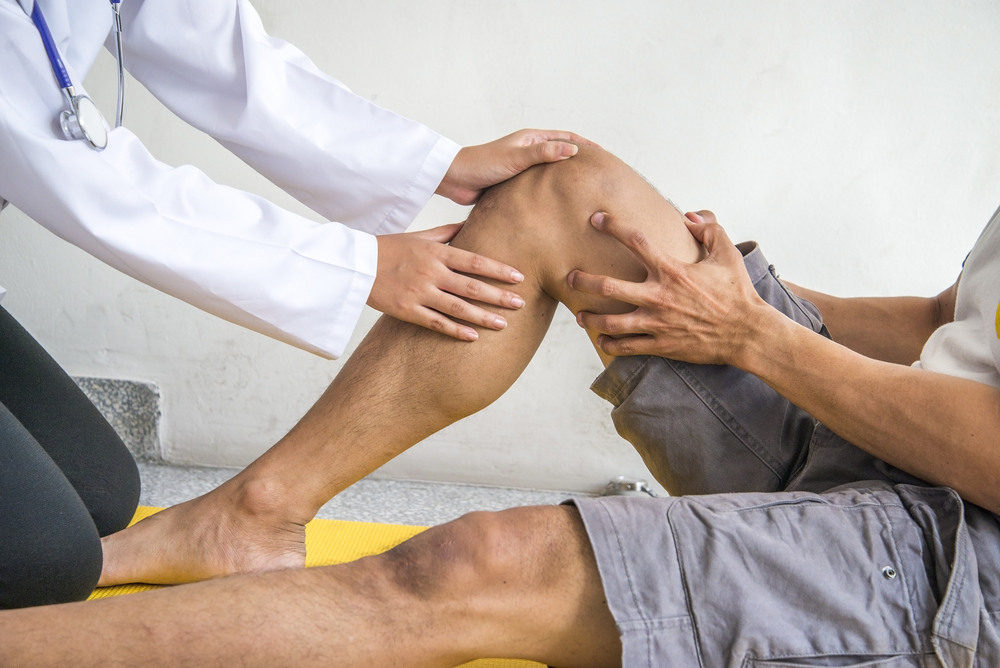
Hip and knee replacements are major procedures that can significantly improve mobility and quality of life, but they also come with a period of acute pain and recovery. Patients in Bloomfield, Englewood, Union City, and across Bergen County often experience discomfort, swelling, and stiffness following surgery. At Premier Orthopaedics & Sports Medicine, P.C., understanding the role of pain management in post-surgical recovery is crucial to promoting healing and enhancing overall outcomes. Pain after joint replacement is not only an uncomfortable side effect but also a barrier to rehabilitation. Addressing it effectively supports mobility, encourages early physical activity, and reduces the risk of complications such as stiffness, delayed recovery, or chronic pain development.
Table of Contents
ToggleWhy Pain Management Matters
Effective pain control after hip or knee replacement is vital for both physical and psychological recovery. Unmanaged pain can limit a patient’s willingness or ability to participate in physical therapy, which is essential for restoring range of motion, strengthening muscles, and promoting joint function. Beyond physical limitations, severe pain can increase stress levels, disrupt sleep, and heighten anxiety, all of which negatively impact the healing process.
Pain management strategies are designed to address these challenges while balancing the need to maintain mobility and prevent dependency on medications. By controlling pain levels, patients are more likely to engage in rehabilitation exercises, perform daily activities safely, and regain independence faster. This highlights why post-surgical pain should be approached as an integral component of recovery rather than a mere side effect of surgery.
Pharmacologic Approaches to Pain Control
Medication is often a cornerstone of post-operative pain management. Non-steroidal anti-inflammatory drugs (NSAIDs) and acetaminophen can help reduce inflammation and alleviate discomfort during the early stages of recovery. Opioid medications may be prescribed for more intense pain, but they are typically used for a limited period due to potential side effects and dependency risks.
Additionally, multimodal pain management approaches that combine medications with different mechanisms of action can be highly effective. This strategy reduces reliance on a single medication and can minimize side effects while maximizing relief. Patient-specific factors such as age, overall health, and prior medical conditions are taken into consideration when developing a pain management plan, emphasizing that personalized care is essential to recovery success.
Non-Pharmacologic Pain Relief Techniques
In addition to medications, non-pharmacologic interventions play a significant role in reducing discomfort and promoting healing. Physical therapy is critical, as guided exercises help maintain flexibility, strengthen surrounding muscles, and prevent stiffness without exacerbating pain. Applying cold therapy in the early stages can reduce swelling and inflammation, while heat therapy later in recovery can relax muscles and improve circulation.
Other supportive strategies include using assistive devices such as walkers or canes to reduce strain on the new joint, practicing deep breathing or relaxation techniques to manage pain perception, and incorporating proper sleep and positioning strategies to support healing. Together, these approaches complement medications and can reduce overall discomfort while fostering a sense of control over recovery.
The Role of Early Mobilization
Early and safe mobilization after hip or knee replacement is essential for a successful recovery, but it is highly dependent on effective pain control. When pain is managed adequately, patients can begin gentle movements soon after surgery, which improves circulation, prevents blood clots, and supports joint function. Delaying mobilization due to unmanaged pain increases the risk of stiffness, muscle atrophy, and slower functional recovery.
Healthcare professionals often design individualized exercise schedules to gradually increase activity levels, always balancing pain levels with functional progress. The combination of pain management and structured activity encourages faster rehabilitation and helps patients regain confidence in using their new joint safely.
Lifestyle and Home Strategies to Support Pain Management
Patients can also implement practical strategies at home to manage discomfort and promote healing. These include maintaining a comfortable environment with proper seating and support, pacing daily activities to prevent overexertion, staying hydrated, and following nutritional recommendations that support tissue repair. Small adjustments, such as using pillows to support the hip or knee while sleeping or elevating the leg to reduce swelling, can significantly improve comfort.
Mind-body techniques such as meditation, deep breathing, or guided relaxation exercises can complement physical strategies and reduce the perception of pain. These approaches enhance overall recovery by helping patients remain engaged in rehabilitation without becoming overwhelmed by discomfort.
Conclusion: Enhancing Recovery Through Pain Management
Pain management is a critical aspect of recovery after hip and knee replacement surgery. Properly addressing post-surgical discomfort allows patients in Bloomfield, Englewood, Union City, and across Bergen County to engage fully in rehabilitation, maintain mobility, and regain independence. By combining pharmacologic and non-pharmacologic strategies, as well as supportive home practices, individuals can minimize pain while promoting healing. Premier Orthopaedics & Sports Medicine, P.C., emphasizes education on effective pain management to empower patients and support optimal recovery outcomes.
Resources:
Carr, A. J., Robertsson, O., Graves, S., Price, A. J., Arden, N. K., Judge, A., & Beard, D. J. (2012). Knee Replacement. Lancet, 379(9823), 1331-1340.
Beswick, A. D., Wylde, V., Gooberman-Hill, R., Blom, A., & Dieppe, P. (2012). What Proportion of Patients Report Long-Term Pain After Total Hip or Knee Replacement for Osteoarthritis? A Systematic Review of Prospective Studies in Unselected Patients. BMJ Open, 2(1), e000435.
Lau, R., & Chou, Y. J. (2013). Pain Management in Orthopaedic Surgery: Current Approaches and Future Directions. Journal of Orthopaedic Surgery, 21(3), 289-297.