Premier Orthopaedics & Sports Medicine, P.C. has long recognized that orthopedic care is rapidly evolving, and today’s patients in Bloomfield, Englewood, Union City, and throughout Bergen County are benefiting from remarkable technological advancements. From earlier diagnoses to more precise treatments and faster recovery times, innovation is redefining how joint and musculoskeletal conditions are managed, empowering patients with safer, more effective care options.
Table of Contents
ToggleAdvanced Imaging and Diagnostic Innovation
Seeing Joint Health with Greater Precision
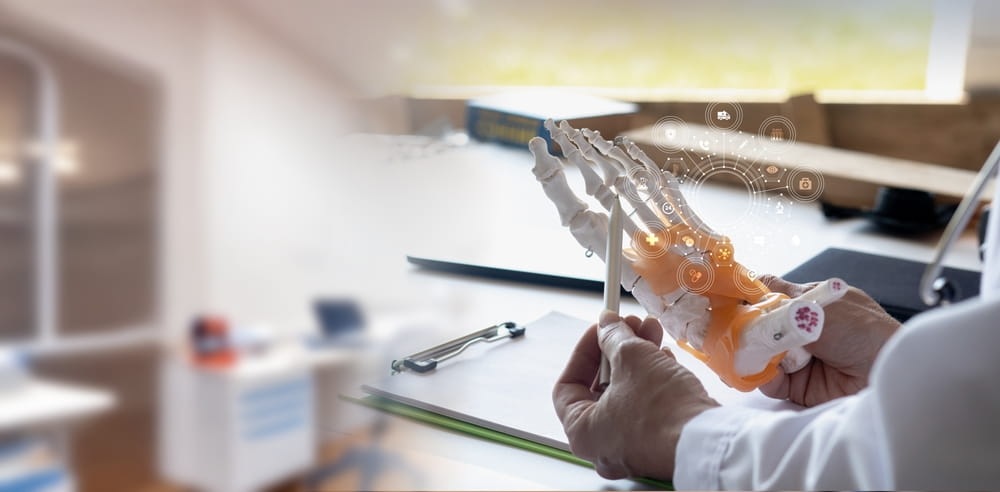
Modern orthopedic care increasingly relies on advanced imaging technologies that provide detailed, three-dimensional views of bones, joints, and soft tissues. High-resolution MRI, CT scans, and digital X-rays allow physicians to identify joint damage, ligament tears, and cartilage degeneration at earlier stages than ever before. Earlier detection means patients can pursue conservative treatments sooner, potentially avoiding invasive procedures and long-term mobility issues.
Beyond traditional imaging, artificial intelligence is beginning to assist in interpreting scans, helping clinicians detect subtle abnormalities that might otherwise be overlooked. These tools enhance diagnostic accuracy for complex conditions affecting the hands, shoulders, hips, knees, spine, and ankles, ensuring that treatment plans are better tailored to each individual’s anatomy and lifestyle needs.
Minimally Invasive and Robotic-Assisted Procedures
Precision Meets Faster Recovery
One of the most transformative developments in orthopedic treatment is the shift toward minimally invasive and robotic-assisted procedures. These techniques use smaller incisions, specialized instruments, and computer-guided systems to improve surgical accuracy while minimizing trauma to surrounding tissues. For patients, this often translates to reduced pain, shorter hospital stays, and quicker returns to daily activities.
Robotic assistance is particularly impactful in complex joint procedures, such as those involving the hips and knees. When paired with innovations in Hip & Knee Surgery and Hand & Shoulder Surgery, technology allows surgeons to customize approaches based on a patient’s unique joint structure, improving alignment and long-term outcomes.
Regenerative Medicine and Pain Management Advances
Healing Beyond Traditional Surgery
Regenerative medicine is reshaping how joint pain and degeneration are treated by focusing on the body’s natural ability to heal. Therapies such as platelet-rich plasma and biologic injections are being explored to support tissue repair, reduce inflammation, and delay the need for surgery. These treatments are often combined with comprehensive Pain Management Treatments to improve comfort and function for patients with chronic joint conditions.
In addition to regenerative therapies, advancements in medication delivery systems and nerve-targeting techniques are helping patients manage pain more effectively with fewer side effects. These approaches are particularly valuable for spine-related conditions addressed through Neck & Back Spine Surgery, where pain control plays a critical role in rehabilitation and quality of life.
Digital Rehabilitation and Sports Medicine Technology
Smarter Recovery and Performance
Technology is also revolutionizing rehabilitation and injury prevention through wearable devices, motion-tracking software, and virtual physical therapy platforms. These tools allow patients to monitor progress, maintain proper form during exercises, and stay engaged in recovery programs from home. For active individuals, innovations in Sports Medicine support safer returns to activity and help reduce the risk of re-injury.
Key benefits of digital rehabilitation tools include:
- Real-time feedback on movement and posture
- Personalized exercise programs based on data
- Improved adherence to recovery plans
- Enhanced communication between patients and care teams
As orthopedic technology continues to advance, patients gain access to more precise, personalized, and effective treatment options than ever before. Premier Orthopaedics & Sports Medicine, P.C. remains committed to educating communities across northern New Jersey about these innovations, helping individuals make informed decisions about their joint health today and into the future.
Sources:
Khan, M., Adili, A., Winemaker, M., & Bhandari, M. (2018). Management of osteoarthritis of the knee in younger patients. CMAJ.
Davis, J. J., & Miller, S. L. (2020). Robotics in orthopedic surgery: Current concepts. Journal of the American Academy of Orthopaedic Surgeons.
Filardo, G., Kon, E., Di Matteo, B., & Marcacci, M. (2016). Platelet-rich plasma in tendon-related disorders. Knee Surgery, Sports Traumatology, Arthroscopy.