Acute injuries such as sprains, fractures, and muscle tears can strike unexpectedly, leaving individuals with significant pain and limited mobility. Residents in Bloomfield, Englewood, Union City, and across Bergen County often face these challenges due to sports, accidents, or everyday activities. At Premier Orthopaedics & Sports Medicine, P.C., understanding the mechanisms of these injuries and effective pain relief strategies is essential to supporting recovery and maintaining overall health. Acute injuries involve a sudden onset of damage to muscles, ligaments, or bones, often accompanied by swelling, bruising, and intense discomfort. Recognizing these injuries early is crucial in implementing pain management techniques and preventing further complications.
Sprains: Relief and Recovery
A sprain occurs when ligaments, the strong bands connecting bones at a joint, are overstretched or torn. Commonly affected areas include the ankles, wrists, and knees. The initial pain from a sprain can be sharp, often accompanied by swelling, bruising, and difficulty moving the joint. Immediate management focuses on reducing inflammation and alleviating pain. The R.I.C.E. method—Rest, Ice, Compression, and Elevation—remains a cornerstone for early treatment. Resting the injured joint prevents further stress, while applying ice for 15–20 minutes at a time helps decrease swelling and numb pain. Compression through elastic bandages supports the joint and minimizes fluid accumulation, and elevating the affected limb above heart level further reduces swelling.
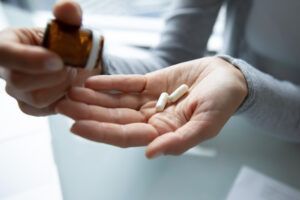
Over-the-counter anti-inflammatory medications can also provide temporary relief by targeting pain and inflammation at the source. While sprains may vary in severity, severe sprains often benefit from immobilization or supportive braces to stabilize the joint during the healing process. Gentle movement and stretching are introduced gradually to restore mobility once pain subsides, highlighting the importance of following structured recovery protocols.
Fractures: Pain Management and Stabilization
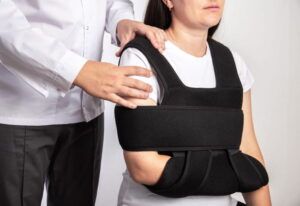
Fractures are breaks in bones that can range from hairline cracks to complete breaks. Immediate pain is often severe, with swelling, deformity, and limited use of the affected limb. Controlling pain and stabilizing the bone are the first priorities. Immobilization through splints, casts, or slings prevents movement and further injury, which also reduces the risk of worsening pain. Applying ice can minimize swelling around the fracture site, though care must be taken to avoid direct contact with the skin.
Pain management often includes acetaminophen or non-steroidal anti-inflammatory drugs, which can help reduce discomfort without masking swelling or other symptoms that require monitoring. In certain cases, elevation of the injured area can help limit fluid buildup and ease throbbing sensations. Once stability is achieved, gentle physical therapy is sometimes recommended to maintain circulation and prevent stiffness in surrounding joints. Timely intervention in fractures is essential, as untreated or poorly managed fractures can lead to chronic pain, deformity, and long-term mobility issues.
Muscle Tears: Strategies to Ease Discomfort
Muscle tears, ranging from minor strains to complete ruptures, are common among athletes and active individuals. They occur when muscle fibers are overstretched or torn due to sudden force or repetitive strain. Acute pain, swelling, bruising, and loss of strength are hallmark symptoms. The first approach to muscle tears mirrors sprain management, emphasizing rest and protection of the injured tissue. Ice application during the first 24–48 hours helps reduce swelling and pain, while compression can support the muscle and limit further damage.
Pain relief can also be supported with anti-inflammatory medications, although care should be taken to follow dosing instructions and monitor for side effects. Gentle stretching and controlled movement are introduced as healing progresses to prevent stiffness and maintain flexibility. Severe tears may require more extensive interventions, but for mild to moderate injuries, consistent rest, pain management, and gradual rehabilitation are the keys to recovery. Incorporating adequate nutrition and hydration during the healing period can also support tissue repair and reduce inflammation.
Adjunctive Pain Relief Strategies
In addition to the immediate measures for acute injuries, there are other strategies that can aid in pain management. These include:
- Heat therapy after the initial swelling has decreased, which can relax muscles and improve blood flow
- Massage therapy to relieve tension and improve circulation around the injured area
- Mind-body techniques such as deep breathing, meditation, or guided relaxation, which can help reduce the perception of pain and anxiety associated with injuries
It is important to monitor the injury closely and consult healthcare providers if pain persists, worsens, or if there are signs of complications such as numbness, severe swelling, or infection. Early attention and careful management promote faster recovery and reduce the risk of chronic issues.
Conclusion: Supporting Recovery in Bergen County
Acute injuries like sprains, fractures, and muscle tears require careful attention and effective pain relief strategies. Residents of Bloomfield, Englewood, Union City, and Bergen County can benefit from understanding proper management techniques to reduce discomfort, minimize swelling, and support healing. By combining rest, ice, compression, elevation, and appropriate medications, individuals can take proactive steps toward recovery. Premier Orthopaedics & Sports Medicine, P.C., emphasizes education on injury management to help patients navigate the recovery process with confidence and minimize the risk of long-term complications.
Resources:
McCracken, L. M., & Eccleston, C. (2003). Coping with Chronic Pain: A Critical Review of Pain Management Strategies. Pain, 105(1-2), 71-84.
Prentice, W. E. (2016). Rehabilitation Techniques for Sports Medicine and Athletic Training. McGraw-Hill Education.
Brukner, P., & Khan, K. (2017). Clinical Sports Medicine. McGraw-Hill Education.