Chronic pain affects millions of people, interfering with daily activities, work, and overall quality of life. Patients in Bloomfield, Englewood, Union City, and across Bergen County often seek solutions that relieve discomfort while avoiding surgery. At Premier Orthopaedics & Sports Medicine, P.C., understanding the range of non-surgical interventions is essential for improving mobility, reducing pain, and helping individuals regain independence. Chronic pain is not simply a symptom but a condition that can affect the nervous system, muscles, and joints, making comprehensive management crucial for long-term well-being.
Understanding Chronic Pain
Chronic pain is defined as discomfort that persists for three months or longer, often lasting years in some cases. It can arise from a variety of causes, including osteoarthritis, tendon or ligament injuries, nerve compression, or inflammatory conditions. Unlike acute pain, which serves as a warning signal for injury, chronic pain often persists even after the initial cause has healed, affecting both physical and mental health.
Living with chronic pain can disrupt sleep, reduce activity levels, and increase stress or anxiety. It can also create a cycle where inactivity leads to further stiffness, muscle weakness, and worsening pain. Understanding the underlying mechanisms of chronic pain is critical in addressing it effectively through non-surgical strategies that target both symptoms and root causes.
Non-Surgical Pain Management Strategies
Non-surgical approaches to chronic pain focus on alleviating discomfort while improving functionality and overall quality of life. Physical therapy is a foundational component, designed to strengthen muscles, increase flexibility, and improve joint stability. Targeted exercises help patients regain range of motion and reduce mechanical stress on affected areas.
Other non-invasive options include:
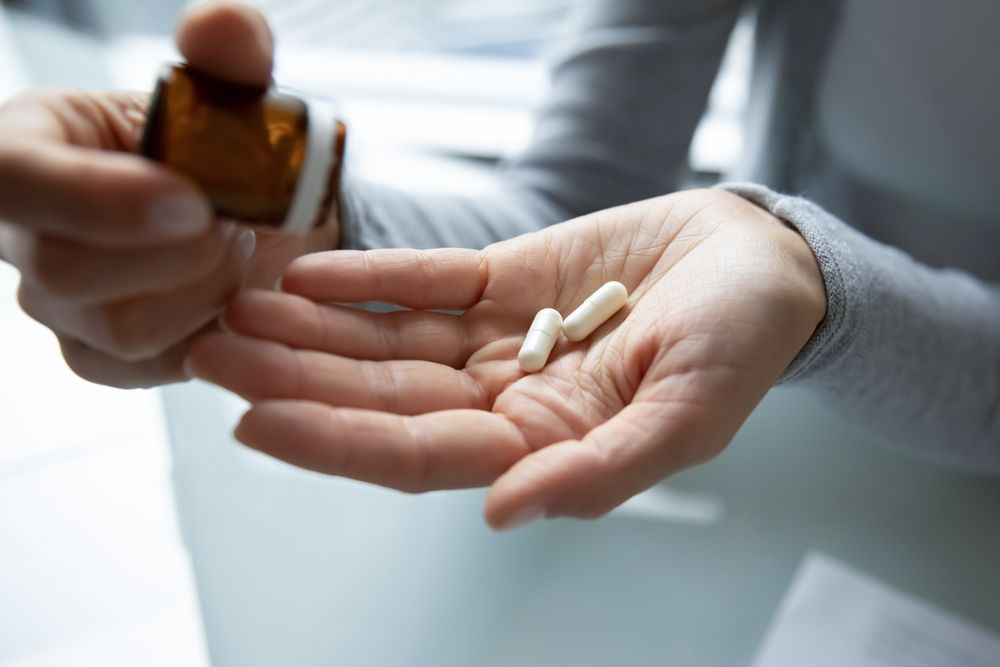
- Pain medications such as acetaminophen, NSAIDs, or topical analgesics
- Corticosteroid injections to reduce inflammation and localized pain
- Heat or cold therapy to relieve muscle tension and swelling
- Lifestyle interventions such as weight management, nutrition, and low-impact exercise
Combining these strategies provides a comprehensive approach that addresses both pain relief and functional improvement, making it possible for patients to maintain an active lifestyle without surgical intervention.
The Role of Regenerative and Advanced Therapies
In addition to traditional non-surgical approaches, regenerative medicine has become an important tool for chronic pain management. Techniques such as platelet-rich plasma (PRP) and stem cell therapy aim to support the body’s natural healing processes. By promoting tissue repair and reducing inflammation, these therapies can improve joint and soft tissue function, which may decrease chronic discomfort over time.
These advanced interventions are particularly valuable for conditions such as osteoarthritis, tendon injuries, or degenerative joint disorders. By targeting damaged tissue at the cellular level, regenerative therapies complement physical therapy and traditional pain management techniques, creating a holistic approach to reducing chronic pain and enhancing overall quality of life.
Lifestyle Modifications and Pain Prevention
Managing chronic pain also requires attention to lifestyle factors that influence overall health and resilience. Regular, low-impact exercise such as swimming, walking, or yoga can improve cardiovascular health, maintain joint mobility, and strengthen supporting muscles. Proper posture and ergonomic adjustments during daily activities reduce stress on joints and prevent exacerbation of pain.
Nutrition and hydration also play key roles in supporting tissue health and reducing inflammation. Maintaining a balanced diet rich in anti-inflammatory foods, such as fruits, vegetables, and omega-3 fatty acids, can help manage pain and improve energy levels. Additionally, incorporating relaxation techniques such as mindfulness, meditation, or breathing exercises can help manage stress, which often amplifies the perception of pain.
Mental Health and Chronic Pain
Chronic pain is closely linked to mental health, as ongoing discomfort can lead to anxiety, depression, or social isolation. Addressing the emotional impact of pain is a critical component of non-surgical management. Cognitive-behavioral strategies, support groups, and stress-reduction practices can help patients develop coping mechanisms, improve sleep quality, and maintain motivation for physical therapy or lifestyle changes.
By integrating mental health support with physical and regenerative therapies, patients gain a comprehensive toolkit for managing chronic pain effectively. This approach not only improves daily comfort but also enhances long-term resilience and independence.
Conclusion: Improving Quality of Life Without Surgery
Non-surgical solutions for chronic pain offer a variety of pathways to improve comfort, mobility, and overall quality of life for residents of Bloomfield, Englewood, Union City, and Bergen County. By combining physical therapy, advanced regenerative therapies, lifestyle modifications, and mental health support, patients can manage chronic conditions effectively while avoiding the risks associated with surgery. Premier Orthopaedics & Sports Medicine, P.C., emphasizes education and awareness of these approaches, empowering individuals to take an active role in their recovery and long-term health.
Resources:
Turk, D. C., Wilson, H. D., & Cahana, A. (2011). Treatment of Chronic Non-Cancer Pain. The Lancet, 377(9784), 2226-2235.
Foster, N. E., Anema, J. R., Cherkin, D., Chou, R., Cohen, S. P., Gross, D. P., & Maher, C. (2018). Prevention and Treatment of Low Back Pain: Evidence, Challenges, and Promising Directions. The Lancet, 391(10137), 2368-2383.
Bannuru, R. R., Osani, M. C., Al-Ohqaimi, R. M., Wang, C., & McAlindon, T. E. (2015). Comparative Effectiveness of Pharmacologic Interventions for Knee Osteoarthritis: A Systematic Review and Network Meta-Analysis. Annals of Internal Medicine, 162(1), 46-54.