Premier Orthopaedics & Sports Medicine, P.C. frequently sees patients across Bloomfield, Englewood, Union City, and Bergen County seeking clarity on modern advancements in joint replacement surgery. One of the most significant innovations in orthopaedics is the use of robotics, which has transformed how joint replacement procedures are planned and performed. Robotic-assisted surgery is not about replacing the surgeon’s expertise, but rather enhancing accuracy, efficiency, and long-term outcomes for patients living with joint damage.
Understanding Robotic-Assisted Joint Replacement
Robotic-assisted joint replacement combines advanced imaging, computer modeling, and robotic guidance to support surgical precision. Before surgery, detailed imaging such as CT scans is used to create a three-dimensional model of the patient’s joint anatomy. This allows surgeons to plan implant placement with a level of customization that traditional techniques cannot match.
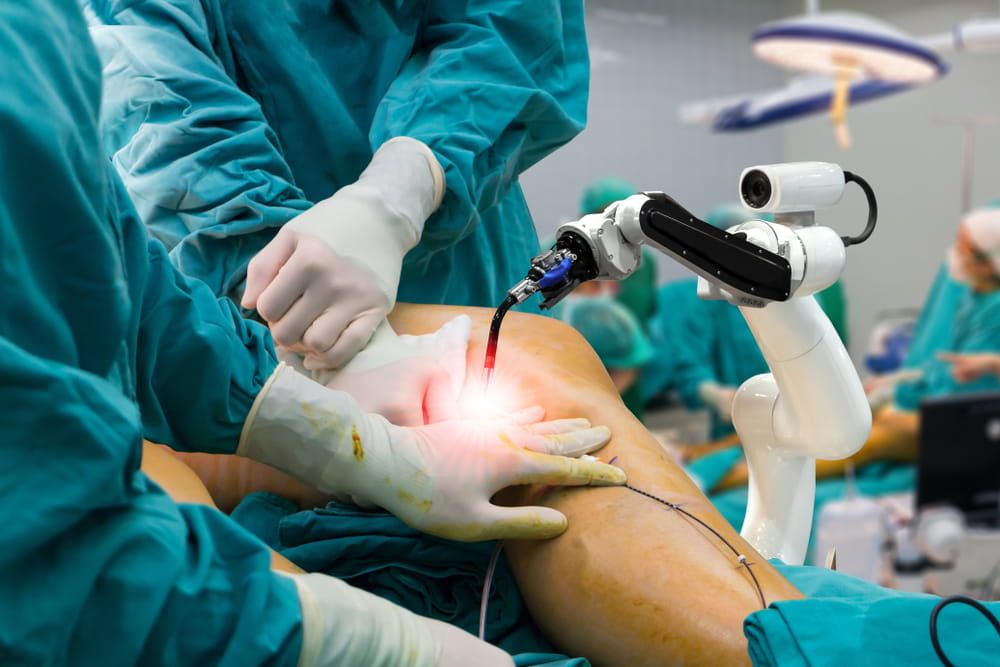
During the procedure, the robotic system provides real-time feedback and guidance, helping ensure bone cuts and implant positioning align precisely with the preoperative plan. The surgeon remains in full control at all times, using the robotic technology as a highly refined tool to enhance consistency and accuracy throughout the operation.
Precision That Protects Healthy Tissue
Personalized Alignment and Implant Placement
One of the most important benefits of robotics in joint replacement is precision. Even small deviations in implant alignment can affect joint mechanics, wear patterns, and long-term durability. Robotic assistance helps optimize alignment based on each patient’s unique anatomy, rather than relying on standardized measurements alone.
This precision allows surgeons to preserve more healthy bone and soft tissue, which is especially important in procedures related to Hip & Knee Surgery. By minimizing unnecessary disruption to surrounding structures, robotic-assisted techniques may reduce postoperative pain and support more natural joint movement following surgery.
Surgical Efficiency and Reduced Operating Time
Robotic systems streamline many aspects of the surgical process. Preoperative planning reduces intraoperative guesswork, allowing surgeons to work more efficiently once the procedure begins. Real-time data helps confirm each step, reducing the likelihood of adjustments or corrections during surgery.
Greater efficiency in the operating room can translate to shorter procedure times and less time under anesthesia. For patients, this may reduce surgical stress on the body and support smoother early recovery, particularly for those with additional health considerations.
Recovery Benefits for Patients
Improved Function and Rehabilitation
Recovery following joint replacement is influenced by surgical technique, implant positioning, and tissue preservation. Robotic-assisted surgery aims to optimize all three factors, which may contribute to improved joint stability and range of motion after healing. Many patients experience more predictable rehabilitation progress due to the consistency of implant placement.
Postoperative recovery may also be supported by complementary approaches such as Pain Management Treatments, which focus on controlling discomfort and inflammation during the healing process. For active individuals or those returning to recreational activity, principles from Sports Medicine may guide safe, structured rehabilitation and conditioning.
Who May Benefit Most From Robotic Joint Replacement
Robotic-assisted joint replacement is often considered for patients with advanced arthritis, joint deformities, or persistent pain that no longer responds to conservative care. Individuals seeking long-term durability and improved joint mechanics may also benefit from the enhanced accuracy robotics provides.
While not every patient requires robotic assistance, the technology has become an important option in modern orthopaedic care. As research continues to evolve, robotics is playing an increasingly prominent role in improving consistency, patient satisfaction, and long-term joint performance.
Looking Ahead in Joint Replacement Innovation
The integration of robotics into joint replacement surgery reflects a broader shift toward personalized, data-driven care. By combining surgical expertise with advanced technology, orthopaedics continues to move toward procedures that prioritize precision, efficiency, and patient-centered recovery. Premier Orthopaedics & Sports Medicine, P.C. recognizes the value of patient education in understanding these advancements and how they may influence surgical decisions, recovery expectations, and long-term joint health.
Resources
American Academy of Orthopaedic Surgeons. (2023). Robotic-assisted joint replacement. Journal of the American Academy of Orthopaedic Surgeons.
Kayani, B., et al. (2019). Robotic-arm assisted total knee arthroplasty. Bone & Joint Journal.
Mayo Clinic Staff. (2023). Knee replacement surgery. Mayo Clinic Proceedings.