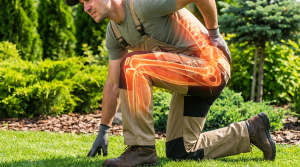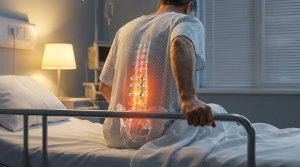

You twist to grab something off the shelf, lift a grocery bag out of the trunk or stand up too fast after a long drive, and a sharp band of pain locks across your lower back. The muscle clenches like a fist, every breath feels measured, and even small movements send a shock through your spine. Most back spasms calm down with the right home steps, and once you understand why they happen, the next one is easier to handle.
This guide walks through what back spasms actually are, what triggers them, how to settle one fast at home and how to keep them from circling back. You’ll also see the warning signs that point to something more serious and how a specialist can help if home care isn’t enough.
Table of Contents
ToggleWhat Are Back Spasms?
A back spasm is an involuntary contraction of one or more muscles in your back. It can happen in your upper, middle or lower back, though the lower back is the most common spot. Your nervous system fires abnormal nerve signals that trigger the contraction, so the spasm itself isn’t something you’re doing wrong in the moment.
Common Signs and Symptoms of a Back Spasm
Back spasms range from a mild twitch under the skin to a full lockdown that pins you in one position. Most episodes share a few telltale signs:
- Sharp, sudden pain: A jolt that flares with movement or shows up at rest, sometimes radiating into your hip or buttock.
- A tight knot in the muscle: A hard, tight knot you can sometimes feel under your skin when you press on the area.
- Limited movement: Stiffness that restricts your range of motion and makes bending, twisting or standing fully upright feel impossible.
- Trouble holding posture: A pulled-in, hunched stance because the muscle is fighting to protect itself.
If symptoms come and go in the same area for more than a couple of weeks, the trigger is usually more than a one-off strain.
How Long Back Spasms Typically Last
A single spasm event usually lasts seconds to a few minutes, but the soreness can linger for a day or two. A muscle strain often causes more intense pain for one to two weeks, with lower-level symptoms tapering off after that. If your spasms haven’t improved within one to two weeks, or they keep returning to the same spot, that pattern often points to an underlying spine condition that needs a closer look.
What Causes Back Spasms?
Most back spasms come from physical strain, lifestyle factors or an underlying spine condition. The trigger matters because it shapes both what helps in the moment and what keeps the spasms from coming back.
Muscle Strain and Overuse
Muscle strain is the most common trigger. A muscle strain happens when you injure a muscle or tendon through one event or repeated motion over time. Strains and sprains often cause spasms along with pain that gets worse when you move.
Poor Posture and a Weak Core
Poor posture loads your lower back muscles unevenly and makes fatigue more likely. Poor posture increases stress on the lumbar spine, and weak core muscles plus poor posture are modifiable risk factors for recurring low back pain.
Dehydration and Nutrient Deficiencies
Your muscles need enough water and electrolytes to contract and relax normally. Low levels of magnesium, potassium and calcium can cause cramps and spasms, and dehydration during physical work or a hot day can do the same.
Stress and Anxiety
Stress activates your nervous system and keeps your back, neck and shoulder muscles tense for long stretches. That tension feeds a familiar loop where pain ramps up stress and stress ramps up pain, especially if the same areas already carry a lot of your day-to-day load.
Underlying Spine Conditions: Herniated Discs, Arthritis, Stenosis
Sometimes a back spasm is a protective response to a structural problem. Herniated discs cause low back pain along with radiating pain, numbness or weakness in one leg, and the surrounding muscles often spasm to guard the irritated nerve.
Spinal stenosis narrows the spaces around the spinal cord and nerves and tends to get worse with standing or walking. Spinal arthritis can also irritate the small facet joints between your vertebrae and set off spasms in the muscles around them, especially first thing in the morning or after long stretches of sitting. Premier’s neck and back specialists evaluate these conditions across Northern New Jersey.
How to Stop a Back Spasm: Immediate Relief at Home
Most spasms settle within a day or two with the right mix of rest, temperature therapy and gentle movement. Doctors no longer recommend prolonged bed rest, because people who stay in bed take longer to recover than people who keep moving, so get up at least every 30 minutes even if it’s only a short walk across the room.
Alternate Ice and Heat
Start with ice for the first day or two. Cold therapy eases pain and reduces swelling during the acute phase. Wrap an ice pack in a towel, apply it for 20 minutes at a time and remove it sooner if your skin gets too cold.
After 48 hours, switch to heat. A heating pad or hot water bottle increases blood flow and helps the muscle relax. Apply heat for 20 minutes at a time, twice daily, and pull it off if it becomes uncomfortably warm.
Rest in a Supportive Position
When you do need to lie down, your position matters. Lying on your side with a pillow between your knees helps line up your spine, pelvis and hips. You can also lie on your back with a pillow under your knees. Avoid sleeping on your stomach because it puts extra strain on your lower back.
Try Gentle Stretching and Movement
After a few minutes of heat, these stretches can release the muscle without pushing your back too far. Try them twice a day and stop if the pain gets worse:
- Knee-to-chest: Lie on your back, pull one knee gently to your chest and hold for five seconds. Repeat with the other leg, then both together.
- Lower back rotation: Lie on your back with knees bent. Keep your shoulders flat and slowly roll your knees to one side. Hold for five to 10 seconds, then repeat on the other side.
- Cat stretch: Start on your hands and knees. Slowly arch your back upward, then let it sag downward.
Use Over-the-Counter Pain Relievers
Nonsteroidal anti-inflammatory drugs (NSAIDs) like ibuprofen or naproxen are more effective than acetaminophen for back spasm pain because they reduce both pain and inflammation. Take them only as directed and use the lowest effective dose for the shortest time. If you have kidney disease or stomach ulcers, talk to your doctor before starting them.
Acetaminophen is a reasonable backup for mild-to-moderate pain when NSAIDs aren’t a good fit, but it doesn’t reduce inflammation.
Self-Massage the Affected Area
A few minutes of self-massage can ease tense or overworked muscles and break the spasm cycle. A foam roller is a practical option for the surrounding muscles, though it’s worth easing in gently if the spasm is severe.
Spasms keep returning to the same spot?
That pattern often points to an underlying cause like a herniated disc or spinal stenosis rather than a one-off strain, and it’s worth having someone take a closer look. If surgery has ever been raised for a spine condition behind your spasms, a second opinion is a normal next step, and Premier’s spine team reviews your prior imaging and records before the visit, not during it.
Long-Term Treatment Options for Back Spasms
When spasms keep returning or don’t settle with home care, long-term treatment shifts the focus to why they’re happening in the first place. Your doctor will usually start with a physical exam and a careful history, and may order an X-ray or MRI if your symptoms suggest a structural cause. Most people start with conservative care before anyone talks about procedures or surgery.
Physical Therapy and Targeted Exercise
Exercise is one of the most effective long-term treatments for recurring back pain. A physical therapist can guide you through core stabilization work, and one six-week core stabilization program can reduce pain more than routine exercise alone. If your spasms keep returning, Premier’s spine surgery team can evaluate the cause and start with conservative care before any talk of an operation.
Prescription Muscle Relaxants
When a severe spasm comes with intense pain and over-the-counter options aren’t enough, your doctor may prescribe a muscle relaxant. These medications can cause drowsiness and increase the risk of falls, so doctors typically prescribe them for short stretches and pair them with a longer-term plan.
Chiropractic Care and Manual Therapy
Spinal manipulative therapy delivers pain and disability improvements similar to exercise programs for chronic low back pain. It has been proposed to reduce muscle spasm through nerve-level changes in the spine and brain, and it tends to pair well with physical therapy when the underlying issue is mechanical.
Treatment for Underlying Spine Conditions
When a herniated disc, spinal stenosis or degenerative disc disease keeps triggering spasms, treatment may need to address the structural problem directly. Premier offers epidural injections and nerve blocks that place anti-inflammatory medication near the irritated nerve. If conservative care fails after six months to one year, your doctor may discuss surgery such as discectomy or laminectomy.
How to Prevent Back Spasms From Coming Back
A few daily habits lower the chance of another spasm by removing the most common triggers. Focus on the factors you can change and stay consistent for a few weeks before judging the results:
- Strengthen your core: Build abdominal, glute and back-extensor strength three to five times per week to better support your spine.
- Lift the right way: Bend at your knees, keep the load close to your body and avoid twisting while you lift.
- Reset your posture: When sitting for long stretches, keep your hips slightly higher than your knees and keep your screen at eye level.
- Stay hydrated and well-fed: Drink enough water and ask your doctor whether you’re getting enough magnesium, potassium and calcium.
- Manage stress: Chronic stress can cause tightness and soreness in your muscles that can trigger or prolong a spasm.
- Maintain a healthy weight: Extra body weight adds pressure on your spine and lower back.
If you’ve been working on these for a few months and your spasms still come back, it’s time to bring in a specialist.
When to See a Doctor for Back Spasms
Most back spasms settle with home care, but a few symptoms point to a problem that needs faster attention. Get urgent care if any of these show up alongside a spasm:
- Loss of bladder or bowel control: A possible sign of nerve compression that needs an emergency evaluation.
- Numbness, tingling or weakness: Sensation changes or weakness in your arms or legs alongside the spasm.
- Major trauma: Back pain after a car accident, a serious fall or another high-impact injury.
- Pain that spreads or signals illness: Pain that travels down one or both legs, especially below the knee, or comes with unintended weight loss or fever.
Schedule a regular doctor visit if your spasms haven’t improved within a few weeks or keep returning to the same spot. At the visit, your doctor will go over your symptoms, do a focused physical exam and decide whether imaging or a referral to a spine specialist makes sense. Most evaluations end with a clear plan for the next four to six weeks, not a rush to surgery.
Get Expert Back Spasm Care at Premier Orthopaedics & Sports Medicine
Premier treats back spasms tied to muscle strain and chronic spine conditions across Northern New Jersey, with offices in Bloomfield, Englewood and Union City. Our team follows a conservative-first approach, exploring physical therapy, medication and pain management before surgery is on the table.
If your spasms haven’t responded to home care, Premier’s spine team includes Dr. Jay S. Reidler, a board-certified spine surgeon trained at Johns Hopkins and NewYork-Presbyterian Och Spine Hospital/Columbia University. Premier offers minimally invasive spine procedures, in-office X-ray and direct physician access for follow-up questions. Spanish-language services are available at every office.
Lasting Relief From Back Spasms Starts With the Right Diagnosis
Back spasms that keep coming back can point to a specific cause that home care alone won’t fix. A specialist evaluation clarifies what’s driving the spasms and what the next step looks like, whether that’s targeted physical therapy, an injection or a surgical option only if you need one.
Frequently Asked Questions About Back Spasms
How long does a back spasm usually last?
A single spasm usually lasts seconds to a few minutes, and strain-related soreness improves within about two weeks. Doctors classify back pain lasting more than three months as chronic pain, and Premier’s spine team can evaluate spasms that drag past that timeline.
Can stress trigger a back spasm?
Yes. Stress keeps your back, neck and shoulder muscles tense for long periods, which can lead to involuntary contraction. Stress management is a useful part of treatment alongside physical therapy and medication, and Premier’s pain management specialists often work it into a longer-term plan.
Should I rest or keep moving during a back spasm?
Limit rest to the first 24 to 48 hours, then return to gentle activity as tolerated. Staying in bed for more than one or two days can make back pain worse by stiffening the muscles that support your spine, and Premier’s care team can guide a safe return to activity if you’re not sure where to start.
Are back spasms a sign of a serious spine problem?
Most back spasms come from muscle strain or overuse and resolve on their own. Recurring spasms in the same area can signal an underlying condition like a herniated disc or spinal stenosis, and Premier’s neck and back specialists can sort that out. If your spasms come with leg weakness, numbness or loss of bladder or bowel control, get evaluated promptly.
This article is for general information only and isn’t a substitute for professional medical advice. Talk to your doctor about your specific situation before making treatment decisions.