Premier Orthopaedics & Sports Medicine, P.C. serves patients throughout Bloomfield, NJ, Englewood, NJ, Union City, NJ, and Bergen County, and many individuals in these communities seek clear, reliable information when facing joint or sports-related injuries. One topic patients frequently ask about is why minimally invasive surgery is often recommended for shoulder, knee, and hip conditions. Understanding how these techniques work and who may benefit from them can help patients make informed decisions about their care.
Understanding Minimally Invasive Surgery
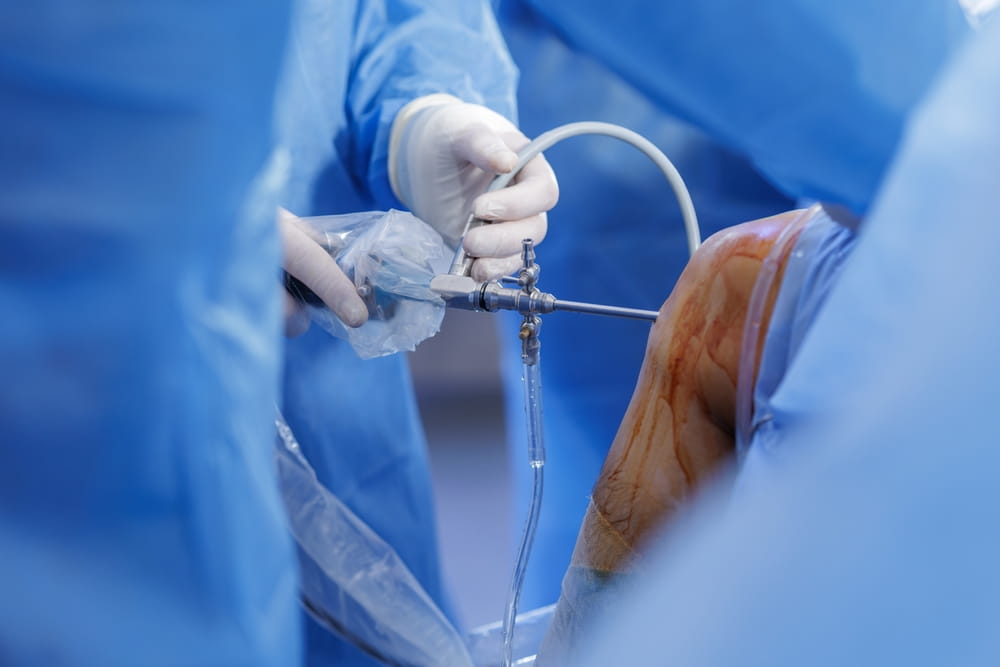
Minimally invasive surgery refers to surgical techniques that use smaller incisions and specialized instruments, often guided by cameras, to treat joint and soft tissue injuries. Common examples include arthroscopic procedures for the shoulder and knee and less invasive approaches for certain hip conditions. These methods are designed to reduce trauma to surrounding muscles, ligaments, and skin while still addressing the underlying problem.
Compared to traditional open surgery, minimally invasive approaches aim to achieve the same clinical goals with less disruption to the body. For patients, this often translates into reduced postoperative discomfort, fewer complications, and a smoother recovery process. These techniques are widely used in treating rotator cuff injuries, meniscus tears, ligament damage, and degenerative joint conditions.
Benefits for Shoulder, Knee, and Hip Injuries
One of the primary advantages of minimally invasive surgery is reduced tissue damage. Smaller incisions mean less cutting through muscle and connective tissue, which can significantly decrease pain and swelling after surgery. This is particularly important for joints like the shoulder, knee, and hip, which rely heavily on surrounding soft tissues for strength and mobility.
Another key benefit is improved visualization during surgery. High-definition cameras allow surgeons to see inside the joint with precision, helping them identify and address injuries more accurately. This level of detail can be especially beneficial for complex joint structures such as the shoulder or weight-bearing joints like the hip and knee.
Faster Recovery and Return to Activity
Recovery time is a major concern for many patients, especially athletes or individuals with physically demanding jobs. Minimally invasive surgery often allows for a quicker return to daily activities compared to traditional open procedures. Shorter hospital stays, and in some cases same-day discharge, are common with these techniques.
Patients undergoing minimally invasive procedures for shoulder or knee injuries may begin physical therapy sooner, which can help restore strength and range of motion more efficiently. In many cases, individuals can return to work, exercise, or sports with fewer limitations, particularly when combined with appropriate rehabilitation and, when needed, non-surgical options such as pain management treatments.
Common Conditions Treated with Minimally Invasive Techniques
Minimally invasive surgery is commonly used for a wide range of joint conditions. For the shoulder, this includes rotator cuff tears, labral injuries, and impingement syndromes, often addressed through arthroscopic hand and shoulder surgery techniques. Knee conditions such as meniscus tears, ligament injuries, and cartilage damage are frequently treated using arthroscopy as part of hip and knee surgery approaches.
Hip conditions, including certain labral tears and early degenerative changes, may also be managed with less invasive surgical options depending on the severity and patient factors. For active individuals, including those involved in athletics, sports medicine specialists often consider minimally invasive techniques to support faster recovery and safer return to activity.
Is Minimally Invasive Surgery Right for Every Patient?
While minimally invasive surgery offers many advantages, it is not always the best option for every condition or patient. Factors such as the extent of injury, overall health, age, and activity level all play a role in determining the most appropriate treatment approach. In some cases, conservative care or traditional surgery may be more suitable.
Patients benefit most when they understand both the potential benefits and limitations of minimally invasive procedures. An individualized evaluation helps ensure that treatment decisions align with personal health goals, whether the focus is pain relief, improved mobility, or long-term joint health.
As patients in Bloomfield, Englewood, Union City, and throughout Bergen County continue to explore treatment options, educational resources like this help clarify why minimally invasive surgery has become a preferred option for many shoulder, knee, and hip injuries. Premier Orthopaedics & Sports Medicine, P.C. encourages patients to stay informed and actively participate in decisions about their musculoskeletal health.
Resources
Kim, S. J., & Choi, N. H. (2014). Arthroscopic surgery of the shoulder and knee. Clinics in Orthopedic Surgery.
McCarthy, J. C., & Lee, J. A. (2011). Hip arthroscopy: Indications, outcomes, and complications. Instructional Course Lectures.
Salata, M. J., Gibbs, A. E., & Sekiya, J. K. (2010). A systematic review of clinical outcomes in patients undergoing arthroscopic hip surgery. American Journal of Sports Medicine.