Most back and neck pain never needs spinal fusion, and the fact that you’re asking the question is a good sign that you’re thinking about this carefully. Fusion is a real option for a specific set of spinal problems, and the decision deserves a clear-eyed look at what the surgery does and which conditions actually call for it. You don’t have to figure this out alone or rush the call.
This guide covers what spinal fusion does, the conservative care your doctor will work through first, the conditions where fusion becomes necessary, and the alternatives worth discussing before you agree to surgery.
Table of Contents
ToggleWhat Spinal Fusion Surgery Actually Does
Spinal fusion permanently joins two or more vertebrae so they stop moving independently and heal as one solid bone. The goal is to take a damaged or unstable segment and turn it into a stable, connected piece.
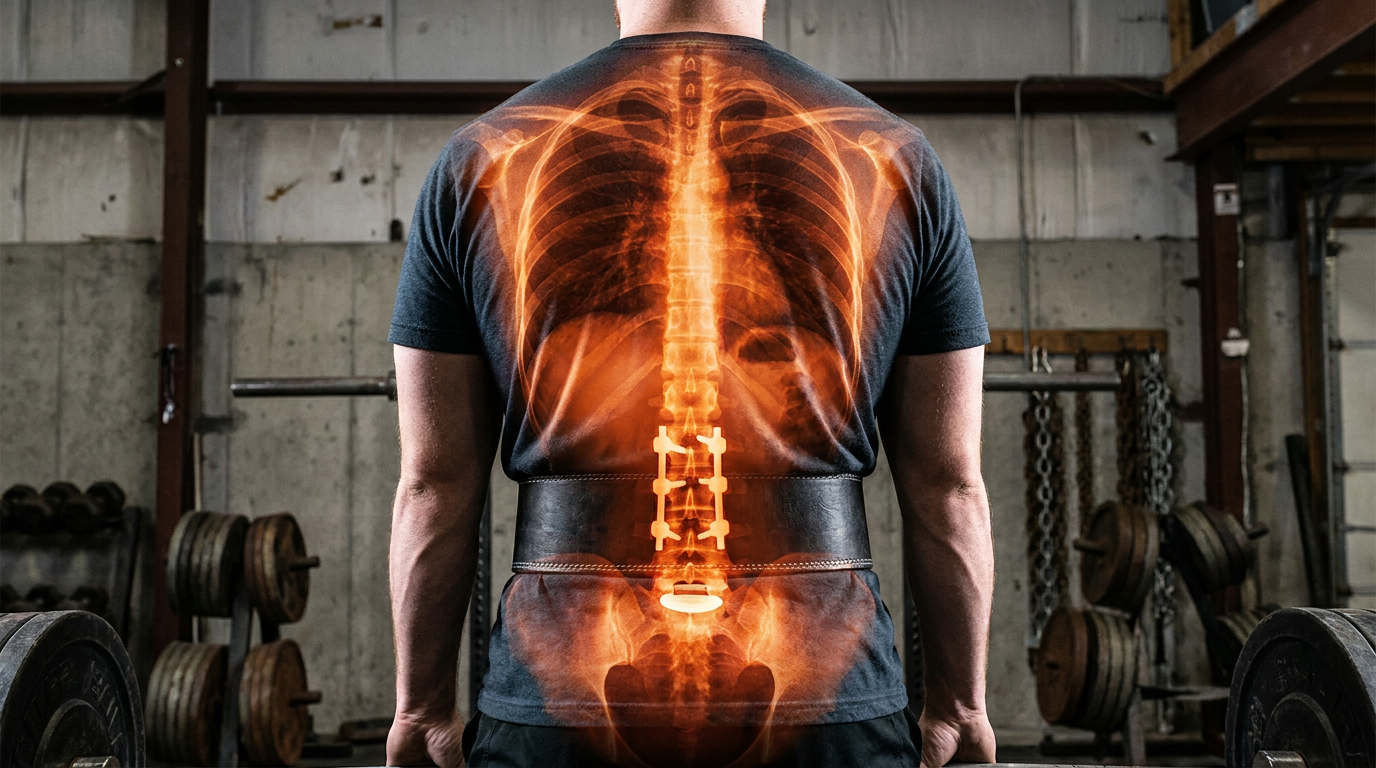
Your surgeon places bone graft material between the vertebrae and uses metal screws and rods to hold everything in alignment while the bone grows together over months. Removing motion at that segment can take away the mechanical source of pain and prevent further nerve compression.
Conservative Treatments to Try Before Fusion
Most spinal conditions improve with non-surgical care, so your doctor will work through these options first. Treatment guidelines often call for at least six weeks of physical therapy before decompression surgery, and fusion usually comes up only after a longer stretch.
The non-surgical pathway typically includes four overlapping pieces:
- Activity modification: Lifestyle changes like keeping a healthy weight, staying active within your limits, and quitting smoking, which impairs bone health and disc healing.
- Physical therapy: Targeted exercises that strengthen the muscles supporting your spine, take pressure off damaged discs, and rebuild the strength you’ve lost.
- NSAIDs and pain medication: A short course of ibuprofen, naproxen, or similar drugs can reduce your low back pain and help you stay active, though most guidelines recommend keeping the duration limited.
- Epidural steroid injections: Anti-inflammatory medication placed around the irritated nerve when therapy and medications haven’t given you enough relief, usually capped at two to three per year.
These pieces work together for most people. The real question is what to do when a structured stretch of all four hasn’t moved the needle.
Signs Conservative Care Isn’t Working Anymore
Your doctor watches for specific patterns to decide whether conservative care has truly run its course. A single bad flare doesn’t mean fusion is on the table, but a pattern of these signs across several months often does.
The signs that conservative care has reached its limit usually look like this:
- Pain that hasn’t improved: Three to six months of structured treatment including physical therapy, medication, and injections, with no meaningful change in how you feel or function.
- Progressive weakness: Leg weakness or numbness that’s getting worse over time, not staying flat or trending toward recovery.
- Movement instability: A spine that shifts or catches when you bend or walk, which therapy alone usually can’t correct.
- Both-leg symptoms: Pain or numbness in both legs at once, called bilateral symptoms, which can mean the central spinal canal is compromised.
A separate set of symptoms points to a possible spinal emergency and needs urgent evaluation, often the same day:
- Loss of bowel or bladder control: New trouble holding urine or stool, or sudden inability to urinate, which can suggest cauda equina syndrome, an emergency caused by pressure on the bundle of nerve roots below the end of your spinal cord.
- Saddle anesthesia: Numbness across your buttocks, groin, or inner thighs (the area that touches a saddle), which can show up alongside cauda equina.
- Sudden severe weakness: A major loss of strength in your arms or legs that comes on quickly, especially when paired with new bowel or bladder symptoms.
With those red flags ruled out and conservative care clearly stalled, the question shifts from symptoms to structure.
Spinal Conditions Where Fusion Becomes Necessary
Fusion isn’t a treatment for general back pain. Surgeons use it for specific structural problems that other treatments usually can’t correct.
Spondylolisthesis and Vertebral Slippage
Spondylolisthesis is a spinal condition where one vertebra slips forward over the one below it, which creates instability and can compress nearby nerves. Fusion is the most common surgery for this condition because it stabilizes the spine and takes pressure off the nerves.
For spondylolisthesis, fractures, and revision cases, Dr. Reidler often uses aPrevo custom 3D printed spinal implants designed from your own imaging to fit the anatomy of your spine. Your doctor will usually want to see three to six months of conservative treatment before surgery, unless your nerve symptoms are getting worse quickly.
Adult Scoliosis and Kyphosis
Abnormal curvature of the adult spine can cause worsening pain, loss of function, and, in advanced cases, nerve or spinal cord compression. Fusion can straighten the deformity and restore stability when conservative care no longer keeps you functional.
Spinal Stenosis with Instability
Spinal stenosis is a narrowing of the canal around your spinal cord, which squeezes the nerves running through it. When stenosis comes with instability, decompression surgery alone often isn’t enough.
If your spine is unstable, outcomes can improve when your surgeon adds fusion to the decompression. The deciding question is whether your spine still holds together once your surgeon takes pressure off the nerves.
Advanced Degenerative Disc Disease
When disc degeneration is far enough along, your discs lose height and your nerve roots can get pinched. If conservative care hasn’t given you lasting relief, fusion can take away the painful motion between worn-down surfaces.
Spinal Fractures from Trauma
High-energy events like car crashes or hard falls can fracture vertebrae in ways that create instability and threaten your spinal cord. Traumatic fractures are one of the original reasons surgeons developed fusion, and they usually don’t require the waiting period that degenerative cases do.
Failed Prior Spine Surgery
A previous spine surgery can lead to new or recurring symptoms from adjacent segment degeneration, hardware failure, or instability the first procedure created. Your surgeon may recommend fusion when earlier approaches haven’t solved the problem, and your surgical history already shows that less-invasive treatment isn’t enough.
Already been told you need spinal fusion?
A second opinion is a normal step before a decision this size, especially if a multi-level fusion has been recommended or you haven’t finished a full course of physical therapy. Premier’s spine team reviews your prior imaging and records before the visit, not during it, and can also walk through motion-preserving options like artificial disc replacement if you’re a candidate.
Alternatives to Spinal Fusion Worth Discussing
Several procedures can address your problem while preserving motion at the treated level. Whether any of them is an option depends on the exact condition causing your symptoms and how stable your spine is.
Decompression Without Fusion (Discectomy or Laminectomy)
A discectomy removes herniated disc material pressing on a nerve, and a laminectomy removes bone to give the spinal canal more room. Both preserve motion at the treated level.
Stability is the deciding factor here. If your spine is stable, decompression alone can match fusion outcomes, but with instability or slippage in the picture, decompression plus fusion usually holds up better.
Artificial Disc Replacement
Artificial disc replacement takes out the damaged disc and puts in a prosthetic that keeps the level moving. The motion preserved at the treated disc may put less stress on the discs above and below than fusion does, though the long-term picture on whether that prevents adjacent segment disease is still being studied.
Disc replacement works best for single-level disease with no instability and adequate bone density. Long-term follow-up shows outcomes at least equivalent to fusion in the right candidates, and your surgeon can use your imaging and symptoms to tell whether you fit that profile.
Vertebral Body Tethering for Pediatric Scoliosis
Vertebral Body Tethering (VBT) is a motion-preserving alternative to fusion for certain pediatric scoliosis cases. The procedure uses a flexible cord anchored to screws along the curve of the spine to gradually straighten it as the child grows. VBT only works for kids who still have substantial growth left and a curve that falls within a specific range, and Dr. Reidler offers it as part of Premier’s pediatric spine program.
How Your Surgeon Confirms You Need Fusion
No single test confirms you need fusion. Your surgeon pulls together imaging, your symptoms, and how you’ve responded to conservative care to make the call.
MRI is usually the main study because it shows the discs, nerves, and soft tissue, though a standard MRI taken while you’re lying down can miss instability that only shows up when you stand. Flexion-extension X-rays catch what the MRI misses by showing whether a vertebra slides too far when you bend forward and back. CT scans add bone detail, which is important when your surgeon needs to check whether a prior fusion succeeded.
The clinical exam ties the whole picture together. Imaging findings only matter if they line up with your symptoms, and for most people, fusion isn’t justified until structured conservative care has run its full course.
How Premier’s Spine Team Approaches Fusion Decisions
Premier Orthopaedics & Sports Medicine takes a conservative-first approach to every spine case. Our spine surgery team walks through non-surgical options like physical therapy, medication, and interventional pain management before fusion enters the conversation.
When fusion is the right call, Dr. Jay S. Reidler, MD, MPH leads that work. His training includes Harvard Medical School, orthopedic residency at Johns Hopkins, and adult and pediatric spine fellowship at NewYork-Presbyterian Och Spine Hospital/Columbia University. He performs minimally invasive spine surgery, robotic spine surgery, and aPrevo custom 3D printed spinal implants for the cases that call for them.
Premier Orthopaedics also offers artificial disc replacement and VBT as motion-preserving alternatives, plus the full range of pain management treatments when injections fit your case. We see patients across Northern New Jersey from offices in Bloomfield, Englewood, Union City, and Kearny.
Making the Right Decision About Spinal Fusion Surgery
Before you agree to fusion, work through this checklist with your surgeon:
- Conservative care: Have you completed a structured course of physical therapy, medication, and injections, and is there a clear record showing what helped, what didn’t, and where you stand now?
- Imaging match: Do your MRI or X-ray findings line up with the pain or weakness you actually feel, or are the imaging changes incidental to your symptoms?
- Structural fit: Is the problem in your spine the kind that fusion is designed to solve, like instability, slippage, deformity, or trauma?
- Alternatives explored: Has your surgeon talked through decompression, disc replacement, or other motion-preserving options where they apply?
If you’re working through these questions and want a clear read on whether fusion is necessary in your case, Premier’s spine team can help you sort it out. Call 201-833-9500 or schedule an appointment online.
Get a Clear-Eyed Evaluation Before Agreeing to Spinal Fusion
If conservative care hasn’t resolved your pain or your imaging shows instability, an evaluation can help you understand whether fusion is actually necessary for your condition. Premier’s spine team sees patients across Northern New Jersey and reviews your full history before recommending any next step.
Frequently Asked Questions About Spinal Fusion
How Long Does Recovery from Spinal Fusion Take?
You’ll typically start walking within the first day or two and return to work in four weeks to three months depending on your job. Initial bone fusion usually develops over three to six months, with fuller bone maturation taking longer. Your surgeon may also tell you to avoid NSAIDs for eight to 12 weeks because they can interfere with bone healing. Premier’s recovery guidance walks through what to expect at each phase, from prep through return to full activity.
What Happens If You Delay Spinal Fusion Surgery?
For conditions involving progressive nerve or spinal cord compression, waiting too long can lead to damage that may not fully reverse once you have surgery. With degenerative conditions that cause mainly pain without worsening neurological loss, finishing conservative care before reconsidering surgery is often the right move. Premier’s spine team can help you decide whether waiting is safe in your case.
Will You Lose Range of Motion After a Spinal Fusion?
Fusion intentionally removes motion at the fused segment, so some loss of flexibility is expected. The longer-term concern is adjacent segment disease, where the discs above and below absorb extra stress and wear faster over time. If preserving motion matters to you, ask Dr. Reidler whether artificial disc replacement or VBT could fit your case before you commit to fusion.
Should You Get a Second Opinion Before Agreeing to Spinal Fusion?
Among patients referred for fusion by their first surgeon, 60.9 percent were redirected to conservative management by the second opinion, and fusion accounted for only six percent of the program’s surgical recommendations. A second opinion is especially worth getting when a multi-level fusion has been recommended or when you haven’t yet completed structured physical therapy. Premier offers second opinions with Dr. Reidler for patients who want an independent read.
This article is for general information only and isn’t a substitute for professional medical advice. Talk to your doctor about your specific situation before making treatment decisions.