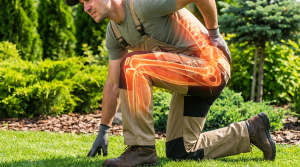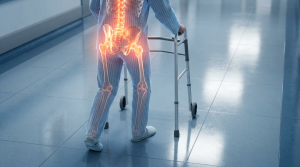

Your sciatica is acting up again, and your first instinct is to lie down and wait it out. The advice you keep hearing is the opposite, and now you’re trying to figure out whether moving will calm things down or set off another flare.
Below, you’ll find why walking quiets the pain, how to do it without flaring symptoms, how much to aim for in a week and what to try when walking isn’t tolerable.
Table of Contents
ToggleWalking Helps Most People With Sciatica
Walking is good for most people with sciatica, and sitting still drags symptoms out longer. Most people recover without surgery, and gentle daily walking is a core part of that recovery.
Sciatica is pain along the sciatic nerve, which runs from your lower back through your buttock and down your leg. When that nerve gets pinched or inflamed, the pressure shows up as sharp pain, burning, tingling or numbness. Walking won’t fix the cause, but it gives the nerve room to settle and sidesteps the deconditioning that prolongs back pain.
One clear exception: if you have loss of bladder or bowel control, numbness in your groin or saddle area or sudden severe weakness in both legs, skip the walk and head to the emergency room. Those can signal cauda equina syndrome, a serious nerve compression that requires treatment within 48 hours to limit permanent damage.
How Walking Eases Sciatica Pain
Walking calms an irritated sciatic nerve through a handful of mechanisms you can feel within a few weeks of starting:
- It triggers your body’s own pain relievers: Light aerobic activity prompts your body to release endorphins, the chemicals that quiet pain signals and lift mood.
- It rebuilds the muscles that protect your spine: Walking strengthens the back muscles that take pressure off your discs and nerve roots, which is where most lasting relief comes from.
- It supports disc healing: With conservative care, your body can reabsorb a herniated disc on its own in 67 to 100 percent of cases within a year, and staying active gives that process room to work.
- It prevents deconditioning: Weeks of sitting weaken the muscles around your spine, and that weakness can make pain worse the next time you try to move.
- It cuts the risk of another flare: A progressive walking program nearly doubled the time before low back pain returned in one trial, from 112 days to 208 days, and sciatica often comes back.
Pick a regular time of day for your walks and write down the duration. A short log makes it easier to see when to add minutes, when to hold steady and when to scale back.
How to Walk Safely With Sciatica
Walking with sciatica comes down to pacing and listening to your symptoms. Treating a flare like a regular workout backfires with a pinched nerve, so form matters more than distance.
Let Your Pain Level Guide Each Walk
Pain gives you useful feedback in real time. Mild discomfort during a gentle walk can be part of recovery, but sharp pain, rising numbness or worsening tingling in your leg is a signal to stop.
When a walk consistently makes your symptoms worse the next day, shorten the distance and slow your pace. If the pattern keeps showing up, talk to your doctor before trying again.
Shorten Your Stride and Keep Your Pace Easy
Long strides aggravate symptoms because they extend your lower back. People with persistent low back pain naturally walk with a shorter stride length and slower pace, and matching that during a flare keeps load off the nerve.
Stay at a pace where you can hold a conversation. If you can’t talk in full sentences, slow down.
Engage Your Core With Each Step
Your abdominal muscles help stabilize your spine, which protects your discs and nerve roots. Gently tightening them while you walk helps you stay upright and avoid the slouch that loads the nerve.
The cue most people respond to is “stand tall, ribs over hips.” Stay engaged enough to hold a neutral posture without clenching your stomach.
Choose Flat, Predictable Surfaces
Paved paths, indoor floors and treadmills are easier on a sensitive nerve than trails or hills. Uneven ground forces small balance corrections that load your lower back unpredictably.
A treadmill at zero incline gives you the most control over speed and distance. When that’s not an option, pick a flat block or loop you can shorten on a bad day.
Wear Shoes That Don’t Fight You
Low-heeled shoes with good grip make walking feel more stable, since high heels and worn-out cushioning shift how you load your spine and can flare an irritated nerve. A supportive pair of cross-trainers and inexpensive insoles handle most sciatica cases without custom orthotics.
Start Short and Build Gradually
Begin with 10 to 30 minutes per session and add a few minutes only when symptoms stay steady or improve. Five minutes of slow walking up front warms your tissues so the first steps don’t feel like the worst part.
A pedometer-driven plan increased daily step counts by about 59 percent in one back pain trial, with real gains in pain and function. Tracking loosely beats guessing how far you got.
How Much Should You Walk With Sciatica?
A reasonable target is 10 to 30 minutes per session, one to three times a day, building toward 20 to 30 minutes three to five days a week as symptoms allow. People who walk more than 100 minutes per day have a 23 percent lower risk of chronic low back pain, so splitting walks across the day pays off.
Your symptoms decide the next move. Pain that settles to baseline within a few hours usually means you’re in the right range, while pain that stays worse for a day or two means the next walk should be shorter or slower.
Three signals make the call easier on the fly:
- Green light: Pain is no worse after the walk, and your strength and range of motion feel the same.
- Yellow light: Pain is higher than baseline for 24 to 48 hours, but strength and movement haven’t changed. Keep distance and pace the same next time.
- Red light: Pain stays elevated for several days, or you notice a real drop in strength or ability to move your foot or leg. Stop, rest a day or two and call your doctor if it doesn’t reset.
If your last walk hit a green light, add three to five minutes next time at the same pace. Yellow keeps you at the same distance until pain settles, and red means rest a day, then restart at half the distance.
Pain Not Settling Despite Conservative Care?
Most sciatica resolves with walking, physical therapy and time, and conservative treatment is almost always the first step at Premier. But if your symptoms persist and surgery has been raised as an option, a second opinion is a normal part of weighing a decision that size, and Premier’s spine team reviews your prior imaging and records before the visit, not during it.
When to Stop Walking and Call Your Doctor
Some sciatica symptoms need immediate medical attention, and walking through them can make things worse. Call 911 or go to the emergency room if you notice any of the following:
- Bladder or bowel control changes: Trouble starting to urinate or new incontinence can mean the nerves at the base of your spine are severely compressed.
- Saddle numbness: Loss of sensation in your inner thighs, buttocks, genitals or the area around the anus is a major red flag for cauda equina syndrome.
- Severe weakness in both legs: Rapidly worsening weakness or numbness in both legs at once needs same-day surgical evaluation.
Don’t try to walk these off or wait to see if they pass. Get to the nearest emergency room and tell triage you’re worried about cauda equina syndrome so they prioritize a spine evaluation and an urgent MRI.
Other symptoms aren’t emergencies, but they need a closer look within a day or two when nerve symptoms are getting worse:
- Foot drop: You can’t lift the front of your foot, and it drags or slaps the ground when you walk.
- Progressive leg weakness: Strength in your leg keeps getting worse over hours or days, not staying steady or trending toward recovery.
- Walking that keeps escalating pain: Symptoms get sharper with each walk even after you’ve shortened the distance and slowed down.
- Sciatica after trauma: Symptoms started after a fall, car accident or other serious injury.
Call your primary doctor or a spine specialist within a day or two if you spot any of these. Bring a short timeline of what you’ve felt, when each symptom started and which walking distances make things better or worse, so the visit gets straight to the cause.
Low-Impact Alternatives if Walking Aggravates Your Sciatica
Walking isn’t tolerable for everyone, especially during an acute flare or with spinal stenosis. Stenosis narrows the canal around your spinal cord and nerve roots, which makes standing and walking painful while sitting or leaning forward eases symptoms.
You still don’t want to stop moving, since rest beyond a day or two works against you. These swaps keep you active while taking load off the nerve:
- Water walking or aquatic therapy: Walking in chest-deep water reduces compression on the lower back, so you can move further without flaring symptoms.
- Stationary cycling: Cycling can be as effective as walking for chronic low back pain, and a recumbent bike adds support when upright sitting feels compressed.
- Swimming: The horizontal position takes most of the compressive load off your spine. Backstroke and freestyle are usually easier than breaststroke, which extends the lower back with every kick.
Start with one swap for 15 to 20 minutes, three days a week, and track how symptoms feel that evening and the next morning. Once the swap is tolerable for two weeks, fold a short walk back into the rotation and see how the nerve handles it before adding more.
Treatments That Pair Well With Walking
Walking works best as part of a broader conservative care plan. If symptoms aren’t moving in the right direction after four to six weeks, the next steps usually include physical therapy, medication and injections before surgery comes up.
Physical Therapy and Targeted Stretches
Physical therapy is a routine part of sciatica treatment once symptoms last more than a couple of weeks. A therapist can pinpoint the movements that flare your nerve and walk you through nerve-gliding exercises that let the nerve slide more freely. Progressive walking programs are part of physical therapy for chronic low back pain with radiating symptoms, paired with mobility work and core strengthening so the gains stick.
Heat, Ice and Over-the-Counter Medication
During the first two to three days of a flare, cold packs applied for up to 20 minutes can take the edge off inflammation. Switch to heat after that to loosen the muscles bracing around the nerve.
Over-the-counter pain relievers like ibuprofen or naproxen sodium can help early on, though they work better for muscle tightness than nerve pain.
Injections and Minimally Invasive Procedures
When physical therapy and medication aren’t enough, epidural steroid injections are usually the next step. These place anti-inflammatory medication into the space around the nerve and can give short to medium term relief in people with disc herniation compressing a nerve root.
When Surgery Becomes a Real Option
Surgery comes up only after three or more months of conservative treatment haven’t given enough relief, or with severe weakness, progressive neurological symptoms or loss of bladder or bowel control. The most common procedure is a microdiscectomy, which removes the part of the disc pressing on your nerve through a small incision.
Get Sciatica Care at Premier Orthopaedics & Sports Medicine
Premier Orthopaedics & Sports Medicine treats sciatica from a first flare through recovery. Our team starts with conservative options like physical therapy, pain management and activity guidance, and we bring up surgery only when less invasive options haven’t been enough. Premier has offices in Bloomfield, Englewood and Union City across Northern New Jersey, with Spanish-language services at every location.
If you’re not sure walking is helping, or symptoms haven’t budged with home care, a specialist evaluation can clarify the cause. Call Premier at 201-833-9500 or schedule an appointment online to talk through your sciatica treatment plan.
Get Help Managing Your Sciatica Walking Plan
If walking still isn’t calming your sciatica after a few weeks of consistent effort, an evaluation can pinpoint what’s driving the nerve irritation and adjust your plan. Premier’s Northern New Jersey spine team offers conservative-first care to help you get moving comfortably again.
Frequently Asked Questions About Walking and Sciatica
Is It Better to Rest or Walk With Sciatica?
Walking beats rest for most people with sciatica. Low-impact movement keeps you out of the deconditioning cycle, and Premier’s spine team can help set your pace if home walking isn’t working.
Can You Walk Too Much With Sciatica?
Yes. Walking too far or pushing through worsening leg symptoms can flare the nerve, and how you feel during the walk and over the next day is the best gauge. If symptoms keep escalating, Premier’s pain management team can adjust your plan.
How Long Does It Take for Walking to Relieve Sciatica Pain?
Most people notice improvement within a few weeks of consistent walking paired with other conservative care. If you haven’t seen progress after six weeks, Premier’s spine specialists can run a closer evaluation to find the cause.
Should I Push Through Sciatica Pain When Walking?
Mild discomfort on a short walk can be acceptable, but sharp, worsening or radiating pain isn’t. If pain stays worse for more than a day after a walk, shorten the next one or call Premier at 201-833-9500 to get evaluated.
This article is for general information only and isn’t a substitute for professional medical advice. Talk to your doctor about your specific situation before making treatment decisions.