
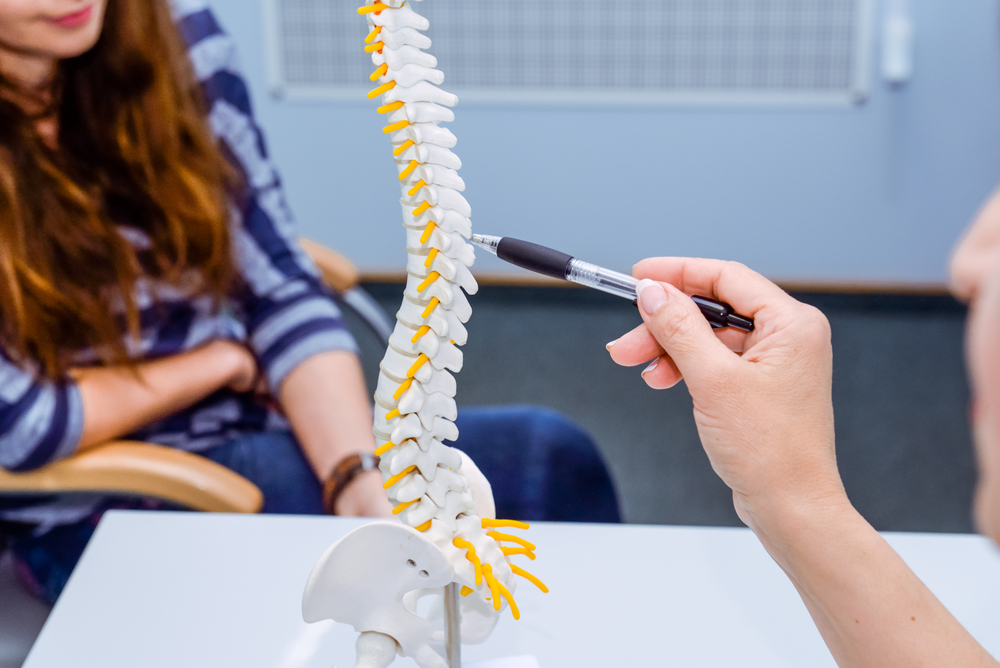
Minimally invasive spine surgery (MISS) uses small incisions and specialized tools to treat spinal conditions while limiting disruption to nearby muscles and tissue. It may be considered when non surgical treatment has not relieved persistent back or leg pain and imaging identifies a treatable problem, such as a lumbar disc herniation causing sciatica.
Why Is Minimally Invasive Spine Surgery Performed?
Minimally invasive spine surgery is considered to relieve pressure on a pinched nerve or stabilize an unstable area of the spine when symptoms continue despite non-surgical treatment and imaging identifies a treatable spinal problem.
The main priority is identifying whether surgery is necessary at all, then choosing the approach that best addresses the affected spinal level. A minimally invasive approach often involves less muscle disruption and a shorter recovery than comparable open surgery when it suits the diagnosis.
A spine specialist may discuss a minimally invasive approach if you have:
- A herniated disc pressing on a nerve root and causing sciatica or radiating arm pain
- Lumbar or cervical spinal stenosis that narrows the space around the nerves
- Spondylolisthesis, where one vertebra has slipped forward onto the one below it
- Persistent symptoms related to degenerative disc disease or another identified spinal condition that have not improved with non-surgical care
- A disc that has herniated again after a previous surgery
How Is Minimally Invasive Spine Surgery Performed?
Minimally invasive spine surgery is performed through tiny incisions, typically one inch or less, using specialized tools to treat spinal conditions with as little disruption to your body as possible.
In traditional open back spine surgery, long incisions are made and muscles are cut to reach the spine. With a minimally invasive approach, a specialized spine surgeon, like board certified spine surgeon Dr. Reidler, uses real-time imaging to guide precise instruments directly to the problem disc area. This minimally invasive method avoids unnecessary cutting and allows for the gentle separation of the muscles, creating a narrow tunnel down to the spine.
Through this small pathway, specialized miniature tools are used to lift away herniated disc fragments, remove bone spurs, or stabilize the spine. This can immediately release the compressed nerve, which is often the root of the back or leg pain.
The small skin incision is then closed with absorbable stitches and a small bandage. Because muscle tissue is moved rather than cut, recovery from a minimally invasive spine surgery is much easier compared to a traditional back surgery.
What Does Recovery From Minimally Invasive Spine Surgery Look Like?
Many minimally invasive spine procedures are performed on an outpatient, same-day basis, with patients often getting up and walking soon after surgery. Your specific minimally invasive spine surgery recovery process depends on the exact procedure, spinal level treated, and whether fusion is part of the surgery.
Pain at the incision site is common during the first week or 2. Leg or arm pain caused by nerve compression may improve soon after surgery, while numbness and weakness often take longer because nerves recover gradually.
Recovery after decompression surgery is usually quicker than recovery after fusion. Fusion requires time for the bone to heal, so activity increases in stages and follows a more structured plan.
A person returning to desk based work after a straightforward decompression may resume sooner than someone whose job involves lifting, bending or long periods on their feet.
Physical therapy is often part of a recovery plan to rebuild core strength, movement and confidence with daily activities.
Frequently Asked Questions About Minimally Invasive Spine Surgery In New Jersey
The safest approach is the one that best matches the condition being treated. A focused nerve compression, such as a lumbar disc herniation causing sciatica, may be treated through a smaller incision. More complex spinal deformity, severe instability or problems affecting several levels may require a different surgical approach.
Minimally invasive techniques may reduce soft tissue disruption and shorten recovery for some patients. They still involve risks, including infection, bleeding, nerve injury, spinal fluid leak, blood clots, ongoing symptoms and the possibility of further treatment. Your spine specialist reviews these risks in relation to your diagnosis and planned procedure.
Desk work is often possible within 1 to 2 weeks after a decompression procedure. Jobs involving lifting, bending, long periods on your feet or physical labour usually require more recovery time.
You should not drive while taking narcotic pain medication. Driving may resume once you can turn comfortably, react quickly and brake safely, with clearance from your spine specialist. Recovery after fusion takes longer, and return to work guidance is based on the procedure and the demands of your role.
A second opinion is reasonable when fusion has been recommended, two specialists have suggested different treatment plans or you are unsure whether surgery is necessary. If you have MRI imaging, Premier Orthopaedics offers a free MRI review and second-opinion appointments.