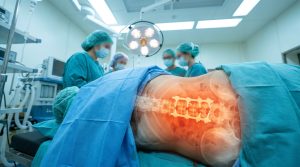
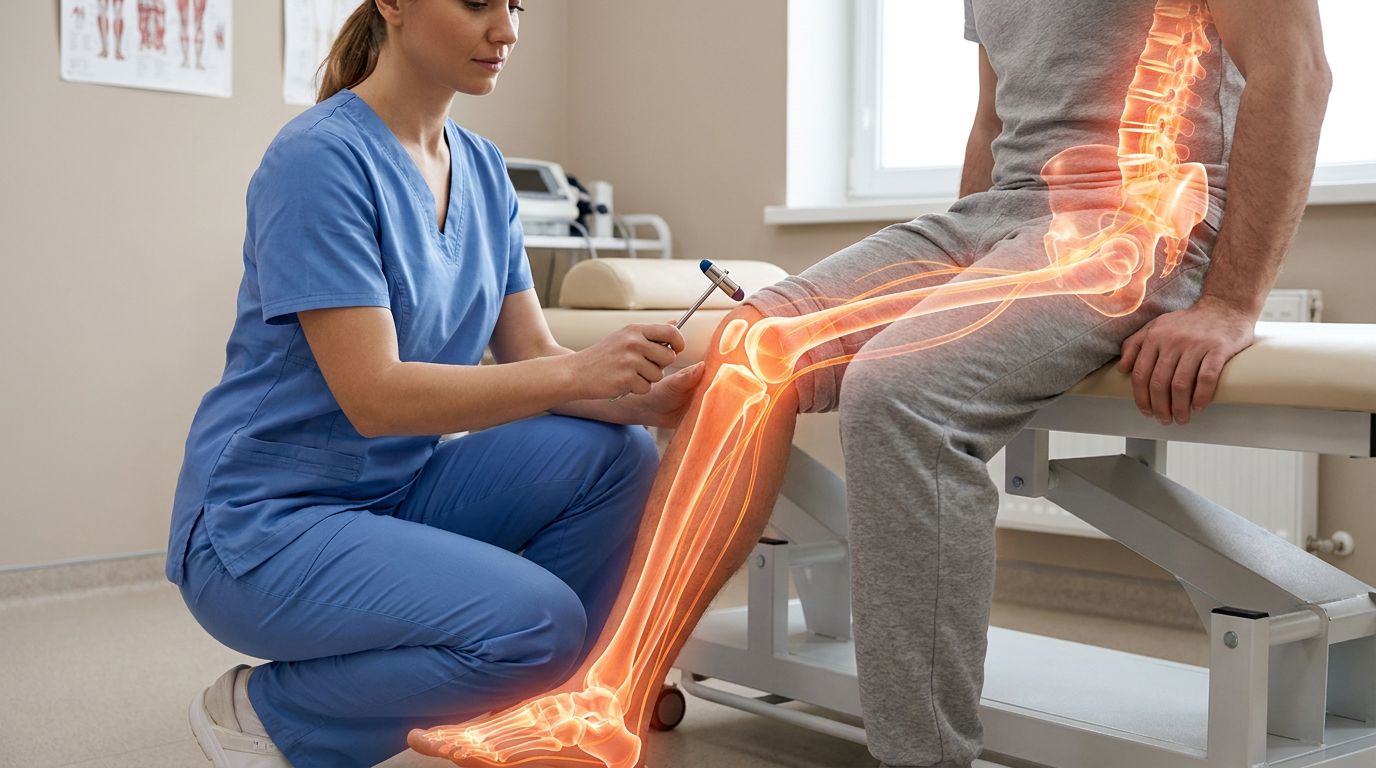
You’re two weeks out from lumbar, meaning lower back, surgery, your old leg pain is finally easing, and then a patch of numbness you never had before shows up in your calf or thigh. New leg numbness after back surgery is a different situation than numbness you brought into the operating room, and it has its own set of explanations.
Your surgeon uses the timing and symptom pattern to decide whether the numbness can wait for follow-up, needs same-day attention or needs an emergency room (ER) visit. At Premier Orthopaedics & Sports Medicine, we evaluate post-surgical spine symptoms when you need help sorting out the next step.
How Nerve Healing Unfolds After Back Surgery
Numbness you had before surgery and numbness that is genuinely new after surgery follow different recovery timelines. Residual numbness, meaning the numbness you carried into the operating room from a compressed nerve, tends to fade slowly and sometimes doesn’t fully clear.
How Recovery Patterns Differ
Pain often improves before numbness during recovery, and the gap is wider than most people expect. Leg pain tends to lift first, with about 55.3 percent improvement by six weeks, while numbness improves less during that same early stretch and can continue to recover gradually through the first year.
If your leg pain is nearly gone, but a numb area is hanging on, that mismatch fits the normal pattern of how these two symptoms recover. New numbness that appears after surgery has its own causes and its own timeline, which is why the word “new” changes the whole picture.
Procedure-Specific Expectations
Discectomy, surgery to remove disc material pressing on a nerve, aims to improve numbness and tingling, but those symptoms may not fully resolve if pressure injured the nerve before surgery. Decompression, surgery that creates more room around a squeezed nerve, gives a nerve that spent months under pressure time to recover its signal, and some of that recovery may remain incomplete.
Residual numbness recovers from an injury the nerve carried into surgery. New numbness starts from a different baseline, so your surgeon looks for postoperative causes tied to the operation or early recovery.
Every procedure has its own recovery timeline, and your surgeon can tell you what to expect for the specific operation you had. For a general picture of the phases after spine surgery, Premier’s recovery guidance covers what the weeks ahead usually involve.
What the Timing of New Numbness Tells You
Your surgeon needs to know when the numbness started. New numbness on the first day after surgery points toward different causes than numbness that shows up in week three, and describing the timing helps your surgeon sort out what’s likely going on.
The First Day or Two After Surgery
New numbness in the first day or two can signal an epidural hematoma, a collection of blood near the nerves that presses on them. Among the causes of new post-op numbness, hematomas develop fastest, at an average of 1.4 days after surgery. If early numbness comes on quickly and keeps growing, especially with increasing pain or new weakness in the leg, report it right away.
A symptomatic epidural hematoma is rare. It occurs in 0.3 to one percent of spine surgeries. The condition is uncommon, but time-sensitive, so numbness that appears this early is worth reporting right away.
Days Three to Seven
Nerve swelling can explain new numbness in the days-three-to-seven window. This swelling, also called nerve root edema, develops later than a hematoma, at an average of 4.8 days after surgery.
At home, pay attention to whether the numb patch is stable, improving or following a clear one-way worsening trend. Numbness that surfaces in this stretch is worth telling your surgeon about so they can track whether the patch stays stable, improves or worsens as the swelling window passes.
Weeks to Months Later
Numbness that appears weeks to months out has two common explanations worth reporting. Post-decompressive neuropathy, a set of new nerve symptoms after lumbar surgery, often resolves over time, with 81 percent fully resolving by one year.
The second explanation is a recurrent herniated disc at the same level, where disc material pushes out again and can press on a nerve. It shows up on imaging in about nine percent of discectomy patients, with some patients needing another operation.
Symptoms that return after a stretch of improvement can prompt your surgeon to check for a recurrent disc problem, so a numb patch that returns weeks later deserves a mention. Call your surgeon so they can evaluate either pattern.
What’s Normal Healing and What’s a Concern
The pattern of new numbness after back surgery helps you describe whether the change is settling down or needs attention sooner. At home, focus on whether the numb patch is stable or spreading, and whether new weakness has appeared.
| Dimension | Normal Healing | A Concern |
|---|---|---|
| Character of the numbness | A stable numb patch, or skin-surface numbness near the incision | Worsening numbness that spreads to new areas or grows more intense |
| Direction over time | Slowly shrinking, or improving in fits and starts | Expanding or deepening week over week |
| What comes with it | Numbness alone, no new weakness | New or worsening leg weakness, or numbness in both legs |
| What to do | Note it and mention it at your next follow-up | Call your surgeon promptly, and go to the ER if red-flag features appear |
Numbness that fits the left column can match the slower numbness recovery pattern after a decompressed nerve. Changes that fit the right column are worth a prompt call to your surgical team. If you’re unsure which column you fall into, our neck and back specialists can examine you and sort it out.
When to Call Your Surgeon and When to Go to the ER
Cauda equina syndrome is pressure on the bundle of nerves at the base of your spinal cord, and symptoms mean emergency room care now. For other new numbness, contact your surgeon’s office for guidance so the surgical team can decide whether you need a visit, medication change, imaging or observation.
Emergency Symptoms
You should go to the emergency room right away if you notice any of the following symptoms. These symptoms can point to pressure on the nerves that control sensation and bladder or bowel function.
- Saddle anesthesia, meaning numbness of the buttocks, perineum and inner thighs, the area a saddle would touch
- Loss of bowel or bladder control
- Severe or increasing numbness between the legs, inner thighs and back of the legs
- New numbness paired with rapidly worsening leg weakness
These are signs of cauda equina syndrome. Quick surgical treatment may prevent permanent complications. These symptoms shouldn’t wait.
Same-Day Surgeon Call
Call your surgeon the same day for guidance if you have any of the symptoms below. Use the ER list above instead if emergency symptoms appear.
- New leg numbness without any of the emergency features above
- Numbness that spreads or returns after a stretch of improvement
- Numbness that comes with new, but stable weakness
These situations need attention. Your spine surgery team would far rather hear about a symptom that turns out to be nothing than have you sit on one that mattered.
What Long-Term Recovery Usually Looks Like
Numbness improves more slowly than pain, and it can improve gradually across the first year. Most early post-decompressive neuropathy resolves fully within that first year, as the timing section notes. That slower pace explains why your numbness can linger while your pain has already faded.
Slow Changes in Sensation
The change usually appears in small shifts from day to day. Some weeks the numb area may feel a little smaller or the edges less defined, and other weeks nothing shifts. While you wait, follow your surgeon’s activity limits and rehab plan.
Your surgeon can tell you which exercises and sleep-position changes are safe for you. The outlook depends partly on how long pressure compressed the nerve before surgery.
Numbness that lasted longer than three months before surgery tends to recover more slowly and less completely. If you spent a long time with a numb leg before your operation, a realistic expectation is a slow return of sensation.
Treatment Options if Numbness Lingers
Lingering numbness doesn’t automatically mean another surgery. Conservative care comes first, with physical therapy to rebuild strength and function. When the symptoms include nerve pain, pain management treatments from our pain management specialists can help control it. Your surgeon reserves revision surgery, meaning another operation to correct a problem from a prior spine surgery, for a structural cause, like a recurrent herniation or hardware problem, that shows up on imaging.
Talk to Premier’s Spine Team About New Numbness
If you’ve noticed new leg numbness after back surgery, our spine team can evaluate it at our offices across Northern New Jersey. Call 201-833-9500 or schedule online.
Frequently Asked Questions About New Leg Numbness After Back Surgery
How long does new numbness last after back surgery?
Many cases of new numbness improve over the first several months, and improvement can keep going through the full first year. Your surgeon watches the trend across your follow-up visits because a single week rarely tells the full story. Steady, gradual improvement is a better sign than any specific date on the calendar.
Does new leg numbness mean my back surgery failed?
No. New numbness can have an identifiable, treatable explanation, such as post-surgical swelling or a recurrence visible on imaging. Your surgeon only diagnoses failed back surgery after a full evaluation; a patch of numbness alone cannot establish it. Reporting the symptom is the right move; by itself, new numbness says little about the surgery result.
Should I get a second opinion if my numbness isn’t improving?
Yes, a second opinion makes sense when numbness persists or worsens past the window your surgeon expected. A fresh set of eyes can review your imaging and confirm whether the recovery is on track or whether something needs a closer look. Dr. Jay Reidler evaluates patients who had prior spine surgery elsewhere.
What if my back surgery was for a work injury?
New symptoms after surgery for a work-related injury should go through your workers’ compensation care pathway. Following that route helps keep both your care and your claim documented. For broader questions, the spine care FAQ covers more ground.
This article is for general information only and isn’t a substitute for professional medical advice. Talk to your doctor about your specific situation before making treatment decisions.