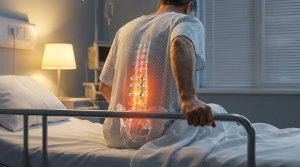
You’re two weeks past your permanent spinal cord stimulator implant, and the incision and battery pocket hurt more than anyone warned you they would, even after a smooth trial.
Severe pain after spinal cord stimulator surgery sits in a frustrating gray zone, where some of it may reflect ordinary healing and some may be a signal worth acting on.
Pain that gradually eases may reflect healing, while worsening pain or new wounds or neurologic symptoms should prompt a call to your doctor or the emergency room (ER).
Table of Contents
ToggleWhat Is Spinal Cord Stimulator Surgery?
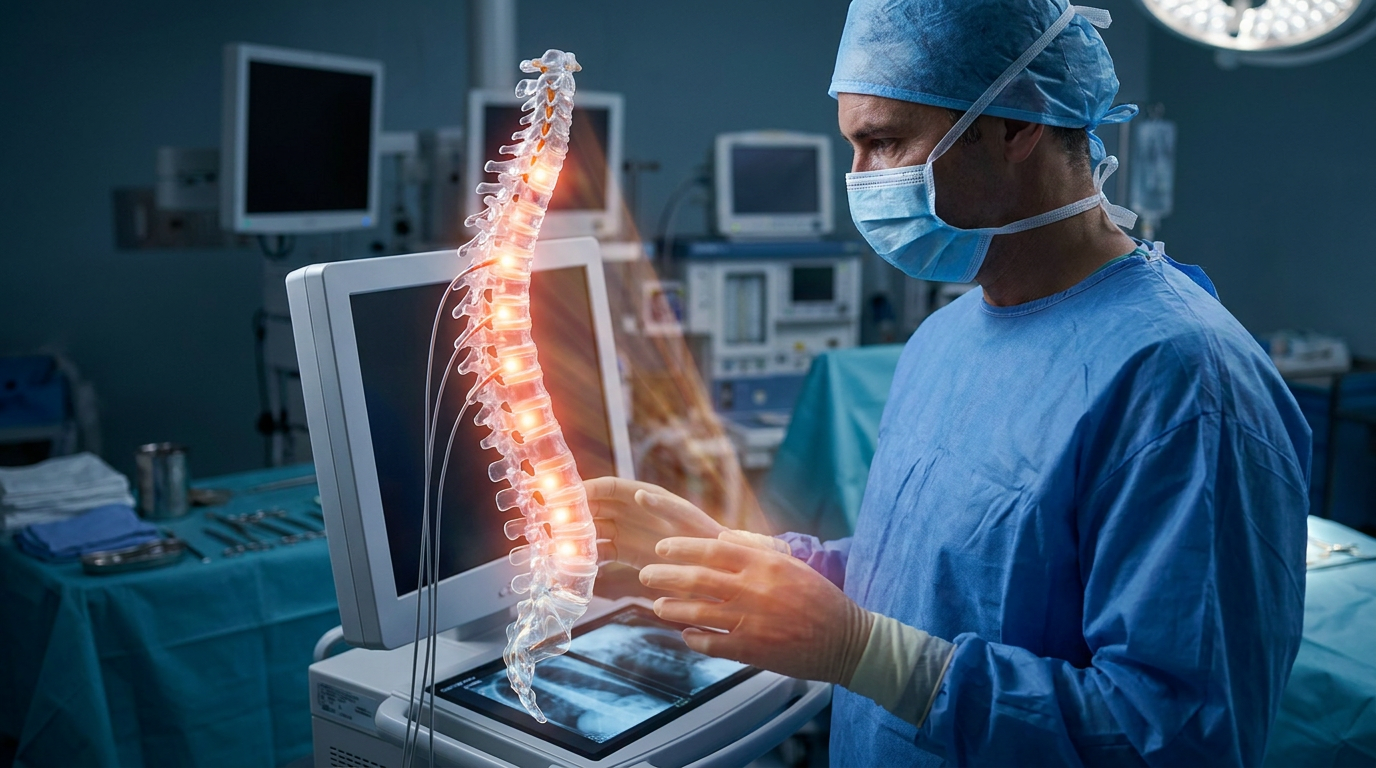
A spinal cord stimulator (SCS) is an implanted pain-control device that delivers mild electrical pulses to your spinal cord to interrupt pain signals before they reach your brain.
A stimulator typically follows conservative care that didn’t work, including physical therapy, medication management and interventional pain treatments.
Most people reach the implant in two stages: a trial with temporary leads to confirm meaningful relief, followed by permanent implantation if the trial succeeds.
During the permanent implantation, your surgeon may implant permanent components, including thin wires called leads that deliver stimulation and a generator that powers the device. Your surgical team should explain where the generator will sit, how the area may feel during healing, what anesthesia to expect and whether you can go home the same day.
A permanent implant may leave you with more than one surgical site, so you may have several sore areas rather than one incision.
What Recovery After Spinal Cord Stimulator Surgery Usually Looks Like
Pain after a permanent SCS implant is common, and much of it may come from healing. Your surgeon should explain what soreness to expect at each site. Compared with a typical back surgery recovery, this recovery can leave you with soreness in more than one place and stiffness that changes with movement.
None of this erases the years of persistent pain that brought you to the implant. Tracking how the surgical pain differs from your earlier pain can help your surgeon evaluate how each site changes during recovery.
Weeks of pocket pain with no clear answer?
Sorting out whether your stimulator pain is part of normal healing or something that needs attention can be hard to judge on your own. Premier’s team reviews your implant history and prior imaging before your visit, not during it, so your evaluation starts with a full picture. If you’re unsure whether your pain pattern is on track, it’s worth having it checked.
Pain by Phase: The First Days Through Month Six
You may feel soreness at more than one surgical site after the implant, and each site may improve differently. Pain severity can change week to week, so noting how it shifts over time gives your surgeon a clearer picture than a single snapshot.
The First Week: Incision and Pocket Soreness
You may notice substantial soreness around the pocket, including tenderness when you sit back or lie on the generator side. Your surgeon can show you how to reduce that pressure safely, including how to manage pressure from waistbands, seatbelts or chair backs while the site remains tender and can determine whether a bruised, swollen or firm feeling over the generator fits the expected pattern in your case.
The spinal incision may also ache with movement, including bending or getting out of bed, and Premier Orthopaedics & Sports Medicine provides a recovery guide for wound care and early activity during this stretch.
Many people report pocket discomfort, and it may be temporary. In studies of older device generations, up to 64 percent of patients reported generator-site discomfort. In patients using newer devices and surgical techniques, pocket pain occurred in 2.76 percent.
These figures come from different populations and time periods and aren’t directly comparable, but highlight the varying nature of pocket soreness.
The First Few Weeks: Medications and Comfort Measures
Follow the prescribed pain medication schedule your surgeon gives you, and ask before adding over-the-counter medications, since some can affect bleeding or wound healing.
Non-drug comfort measures many patients find helpful include icing over dressings if your surgeon approves, avoiding pressure on the pocket, sleeping so the generator side isn’t loaded, and pacing activity to avoid flares.
Tell your surgeon if prescribed medication isn’t controlling pain as expected rather than adjusting the dose on your own.
Weeks Two Through Four: Ongoing Healing
There is no universal week-by-week pain course. At this stage, soreness may not be gone, and you may have good days mixed with sore ones.
When you update your surgeon, note whether a flare after a busy day settles overnight or creates a new, higher baseline that sticks around.
Movement restrictions still apply, but a short daily record of pain at each site can make those differences easier to describe at follow-up.
Weeks Four Through Eight: Adjustment and Programming
Your body and stimulation settings may still need time to adjust after permanent implantation. Until your surgeon clears you, you may need to keep lifts light and avoid strenuous activity for four to six weeks.
Pain relief and tissue healing may not progress at the same pace. If the device isn’t giving you much relief yet at this stage, that alone doesn’t necessarily mean it failed.
Months Two Through Six: Settling In
Incision and pocket tenderness usually keep fading through this window, though the tissue over the generator can stay firm longer than the skin looks healed.
Most programming refinement happens here as your surgeon tunes settings across visits, trying reprogramming before revision if coverage changes.
Return-to-activity clearance for heavier lifting, twisting or higher-impact exercise typically comes during this stretch, per your surgeon’s instructions. Severe pain that persists into this window warrants a re-evaluation rather than more waiting.
Warning Signs: When to Call and When to Go to the ER
After your implant, symptoms can lead to worrisome moments. Some symptoms are expected during healing and need no action. Others mean you should call your surgeon the same day, while a few situations mean you should go to the ER immediately.
| Expected sign | Call your surgeon | Go to the ER immediately |
|---|---|---|
| Pocket and incision soreness easing over time | Pain that escalates, stays severe or doesn’t follow your expected recovery pattern | Fever with wound drainage or warmth |
| Soft swelling that’s subsiding | Redness, warmth, growing swelling, pus, drainage, bad odor, or growing soreness around either incision | Stimulation that suddenly turns painful |
| Stable stimulation coverage | Coverage that fades or shifts into new or unpleasant areas | Sudden new leg weakness or coordination trouble |
| Steady, gradual improvement | Fever or chills without another explanation | New numbness in legs, groin or feet, or loss of bladder or bowel control |
When in doubt, a same-day call or an ER visit is always safer than waiting to see if a symptom resolves on its own.
Long-Term Outlook After a Spinal Cord Stimulator
Long-term relief varies, but some people experience meaningful improvement after their surgeon adjusts the device and the surgical sites heal.
Your outcome depends on factors such as the condition your surgeon is treating, stimulation coverage and how your body responds.
SCS is most often used for conditions like failed back surgery syndrome, complex regional pain syndrome and peripheral ischemic pain, so the outcomes tend to track with how well the underlying condition responds to neuromodulation in general.
About 85 percent of people sustain at least half their original pain relief two years out, and 64 percent report their pain has dropped to a minimal level by that point.
Get Your Post-Implant Pain Evaluated at Premier
If your post-implant pain is worsening, Premier can evaluate the device and your healing at our Northern New Jersey offices.
Frequently Asked Questions About Spinal Cord Stimulator Surgery
Why does my permanent implant hurt more than the trial did?
The trial uses thin temporary leads that are pulled out after about a week, with no pocket and no tunneling. The permanent implant adds a surgical pocket (usually in the upper buttock or flank) for the generator plus tunneled leads to the spine, so you’re recovering from two surgical sites instead of a few needle punctures.
What can I do at home while the pocket heals?
Follow your surgeon’s activity and wound-care instructions. Sleep on the opposite side with a pillow between the pocket and the mattress, route your seatbelt above or below the pocket, avoid tight waistbands, and pace activity in short bouts, since flares from overdoing it can set your baseline back for days.
How do I tell my surgeon the device isn’t working well enough?
Bring specifics: where you feel stimulation, which activities still hurt, and how each program setting changes your pain. That lets your surgeon decide whether to reprogram or examine the device.
Can a spinal cord stimulator be removed if it doesn’t help?
Ask your implanting doctor whether reprogramming options remain, whether the device covers the intended area, what removal would involve, and how pain management would continue afterward
This article is for general information only and isn’t a substitute for professional medical advice. Talk to your doctor about your specific situation before making treatment decisions.